
Last updated November 18, 2026





Free written scope consultation - allowances, timeline, and change-order rules on paper before a single trade is scheduled
Seasonal Construction Care for Sunrise Manor: Year-Round Homeowner’s Guide
If you’re following a home maintenance calendar that tells you to “check your roof before winter storms,” you’re using a guide written for someone else’s house. Sunrise Manor roofs take their worst damage in July and August, when monsoon moisture lands on sealants already baked brittle by months of desert sun. Not in December. This guide replaces the generic spring-summer-fall-winter framework with the maintenance calendar that actually matches local conditions: the pre-monsoon heat window, the monsoon itself, the drying-out period that follows, and the mild construction season most homeowners here overlook. What follows is the sequence we’d follow on our own Sunrise Manor homes.
Quick Answer
Sunrise Manor has three construction-relevant climate windows, not four seasons: pre-monsoon heat (April through June), monsoon (July through September), and mild winter (November through February). The critical work is inspection and sealing before monsoon arrives, water-intrusion monitoring during it, and a full post-monsoon assessment in October before damage hides itself. Winter is the ideal season here for actual construction and repair, because materials and crews both work better in mild temperatures.
Styles & brands we work with
- Kitchen remodeling
- Bathroom remodeling
- Home additions & ADU
- Roofing
- Windows & doors
- Driveway & pavers
- Fence
Table of Contents
- Why the Standard Four-Season Calendar Fails in Sunrise Manor
- The Pre-Monsoon Window: April Through June
- Monsoon Season: July Through September
- Post-Monsoon Assessment: What October Reveals
- The Mild Winter Opportunity: November Through February
- Year-Round Desert-Specific Tasks
- How to Plan Project Timing Around the Local Calendar
- Common Mistakes to Avoid
Why the Standard Four-Season Calendar Fails in Sunrise Manor
Most national home maintenance advice was written for a climate with a hard freeze and a wet spring. Sunrise Manor has neither in the way those guides assume. What we have is an intense UV environment, a defined summer monsoon, and a winter mild enough to pour concrete and install roofing without fighting the weather.
That mismatch matters because the timing of maintenance is the whole point. Seal a roof in the wrong month and you may seal over material that’s already failing. Inspect pavers in the dry heat and you’ll miss the drainage problem that only shows up under a real rain load. The calendar a Sunrise Manor homeowner needs is built around moisture and heat, in that order.
Here’s the framework we use, simplified:
- April to June: heat climbing, UV at its most punishing, last window to seal and repair before moisture arrives.
- July to September: monsoon. Monitor, don’t modify.
- October: assessment month. Materials dry, contract, and reveal what the wet season did.
- November to February: the build season. Mild temperatures, ideal for roofing, pavers, fencing, and additions.
This is the sequence that shapes everything from a driveway & pavers project to a full exterior envelope review. Get the order right and the work lasts. Get it wrong and you’re paying twice.
The Pre-Monsoon Window: April Through June
This is the most consequential stretch of the year for a Sunrise Manor home, and it’s the one most homeowners skip. By April, materials have spent months absorbing UV. Sealants on roofs, around windows, and at flashing points have started to dry, crack, and pull away from the surfaces they were meant to protect. When the first real monsoon rain arrives on top of that compromised layer, water finds the gaps.
The work in this window is inspection, sealing, and repair, done in this order:
- Inspect the roof surface and penetrations. Look at sealant around vents, skylights, and the HVAC curb. Anything cracked or lifting needs attention before the rains.
- Check flashing at every roof-wall junction and chimney. Flashing failure is the quiet cause of most interior water stains after monsoon.
- Review window and door perimeters. Dried weatherstripping and pulled caulk let wind-driven rain in sideways, not just down.
- Walk the pavers and grading. Confirm water can actually drain away from the house. A paver system that drains in dry conditions can still pond under monsoon volume.
- Look at stucco and visible wall cracks. Hairline cracks that grew over the dry season will open further once wet-and-dry cycling begins.
Sealing and caulking work done in April and May has time to cure properly before moisture shows up. Do it in June and you’re racing the first storm. If the inspection turns up failing roofing, this is also the window to schedule replacement before the wet cycle, and it’s exactly the kind of project where one contractor from the driveway to the roofline saves you the coordination headache. Our team works with GAF, CertainTeed, Owens Corning and other major shingle lines, so the material tier is your call. Call (833) 516-4965 for a free estimate before the window closes.
Monsoon Season: July Through September
During monsoon, the job shifts from repair to observation. This is not the time for big exterior modifications, because you can’t seal a wet surface and you can’t judge drainage until the water’s actually moving. What you can do is watch for the early signs of water intrusion and document them while they’re happening.
Where to look during the wet cycle:
- Flashing points. Check ceilings and walls near chimneys, roof valleys, and HVAC penetrations for staining or dampness after a heavy rain.
- Pavers and hardscape drainage. Watch where water pools on the driveway and patio. Ponding that lingers more than a day signals a grading or base problem worth fixing later.
- Stucco crack propagation. Wet-dry cycling propagates cracks. Photograph new or widening cracks so you know what changed.
- Window and door corners. Wind-driven rain finds weak corners first. Look for moisture at interior frames.
- Fence posts and gates. Wood and metal both move in the humidity swing. Note posts that loosen or gates that start dragging.
Keep a simple log. Date, location, what you saw after which storm. That record is worth more than a memory when you schedule the October assessment, because it tells a contractor exactly where to focus. Documenting now saves guesswork later. If something looks active or urgent, call (833) 516-4965. We answer 24/7. Fast dispatch from 7am to 7pm, Sunday through Friday.
Post-Monsoon Assessment: What October Reveals
October is when the damage shows up. Not because the damage is new, but because materials dry out and contract after monsoon, and the places that took on water finally announce themselves. A roof that looked fine in August can show a water stain in October as the wood beneath finishes drying. This is the month that determines whether small problems get fixed cheaply or grow into next spring’s larger project.
The October assessment should cover:
- Roof and attic review. Look for water staining on sheathing and rafters, and for sealant that took a beating over the wet season.
- Stucco and exterior walls. Recheck the cracks you photographed during monsoon. Any that widened need patching before winter.
- Pavers and hardscape settling. Look for newly sunken or lifted pavers, which indicate base movement from water under the surface.
- Fencing and gates. Check for posts that loosened, boards that warped, and hardware that shifted with the moisture swing.
- Windows and doors. Test that they still open, close, and seal correctly after the humidity cycle.
Done properly, this assessment produces a prioritized list: what’s urgent, what can wait for winter, and what should be folded into a larger project. That’s the value of October. It gives you the full picture while there’s time to act before the next monsoon. Free estimates are available in Sunrise Manor, and we’ll walk the property with you and put findings in writing.
The Mild Winter Opportunity: November Through February
Here’s the part most national guides miss entirely. Sunrise Manor’s winter is the ideal season for construction and repair. Temperatures are mild enough that roofing, concrete, pavers, and exterior paint all behave predictably. Materials cure without fighting extreme heat, and work isn’t rushed to beat a storm. If you’re planning a significant project, this is the window that makes the most sense.
Why winter works so well here:
- Roofing installations go in without the summer heat stress on shingles and sealants.
- Paver and concrete work sets and cures under stable, moderate conditions.
- Fence installation avoids the monsoon moisture swing that moves posts and gates.
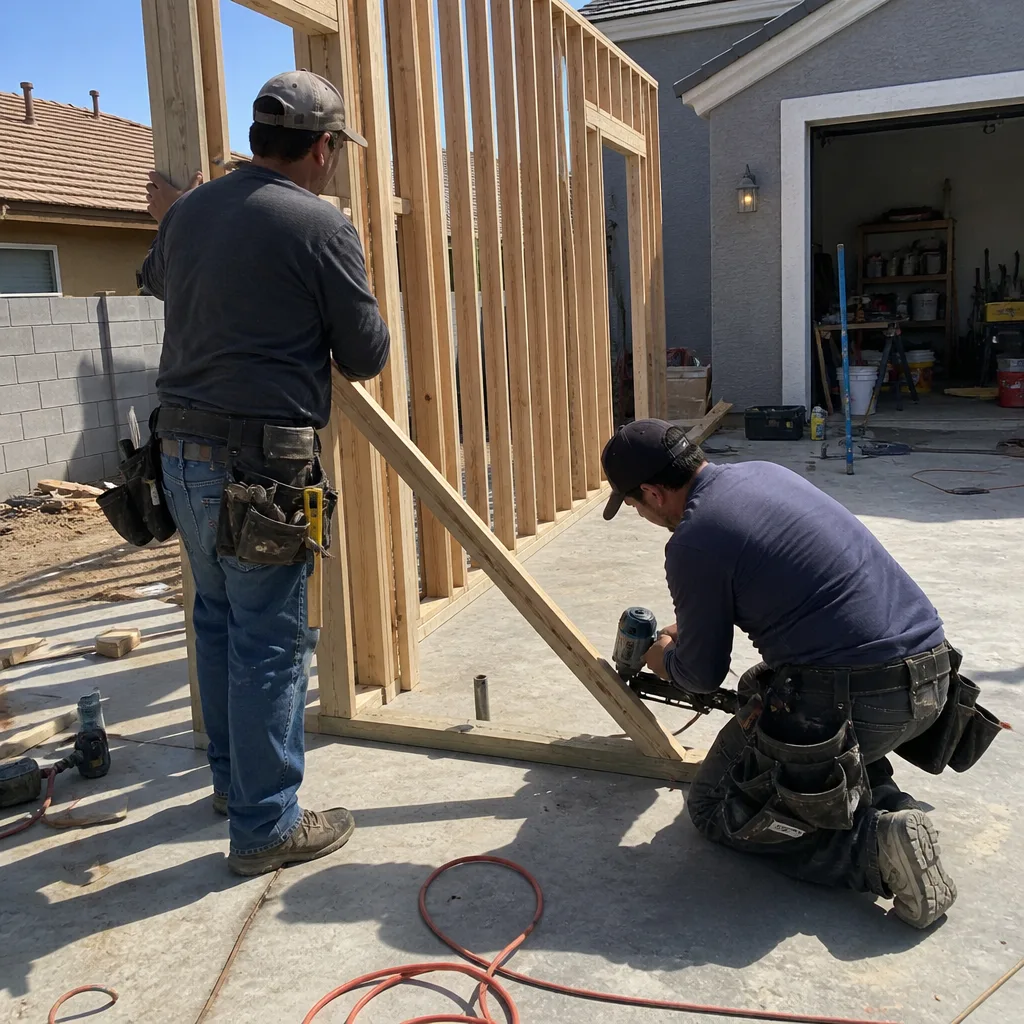
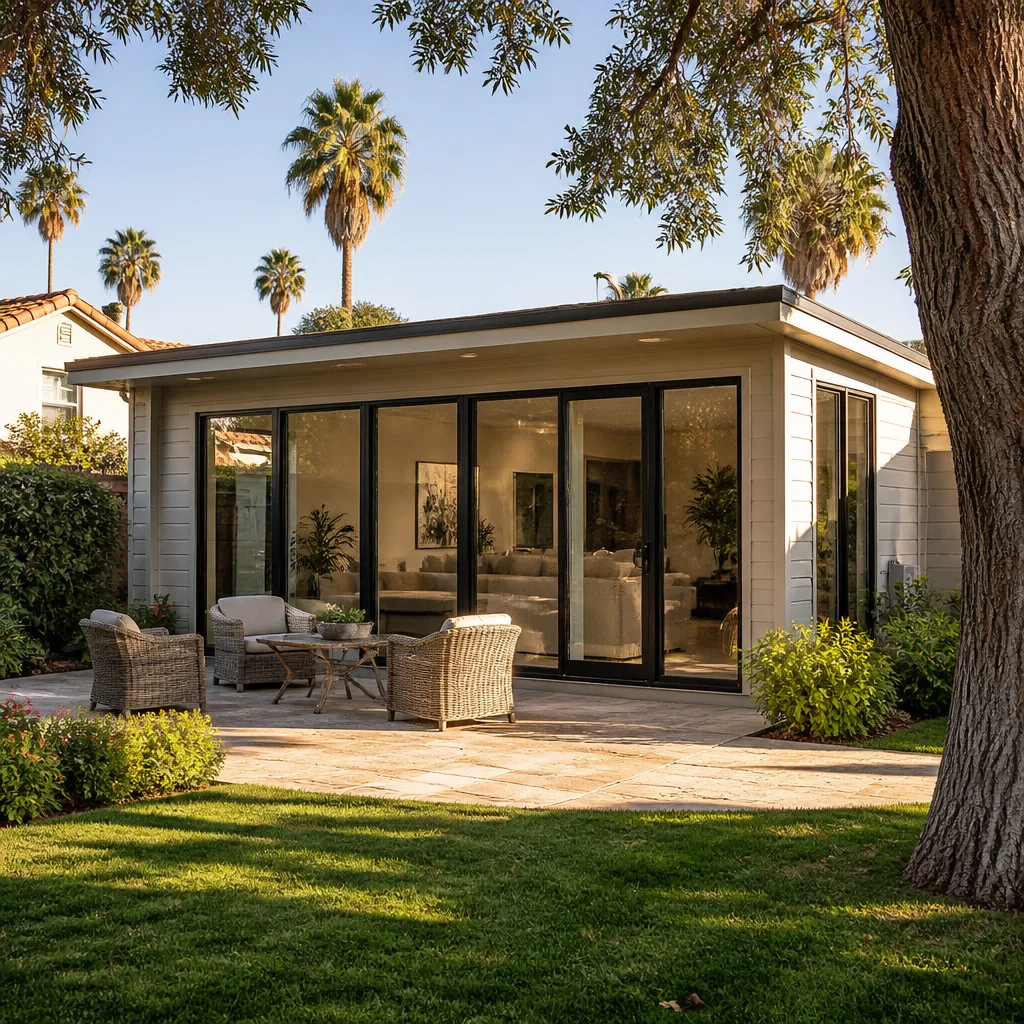
- Home additions and ADUs can break ground with months of good weather ahead of them.
- Windows and doors install cleanly, and sealants cure before the next heat cycle.
Winter is also when larger projects should be scoped, because the planning leads the work. A home additions & ADU project benefits from starting design and permitting in the winter so construction can move through the mild months. And a fence installation planned now gets done when the ground and materials cooperate. If a project has been sitting on your list for a while, this is the season to schedule it. Call (833) 516-4965 for a free estimate.
Year-Round Desert-Specific Tasks
Some maintenance in Sunrise Manor has no seasonal equivalent anywhere else. These are the jobs that come from the desert environment itself: intense UV, dry heat, and wide day-night temperature swings. They belong on a year-round rotation, not a seasonal checklist.
UV sealant integrity. The sun here degrades sealant far faster than in milder climates. Check exposed sealant on roofs, windows, doors, and exterior joints several times a year, not once. UV-stressed sealant is the leading cause of monsoon water intrusion, so this task feeds directly into the pre-monsoon window.
HVAC penetration inspection. Every roof penetration is a potential water entry point. The HVAC curb and the lineset entry need regular inspection for cracked sealant and lifted flashing, because they’re the most common leak path on a local roof.
Expansion joint monitoring. Driveways, patios, and hardscape expand and contract with temperature swings. Watch for widening joints, cracked sealant, and new gaps. Left alone, expansion movement turns into base failure, which is far more expensive than a resealed joint.
These three tasks form the backbone of desert-specific home care. They pair naturally with an exterior-envelope approach, because the roof, windows, and hardscape all respond to the same UV and heat forces. If it helps, think of your home’s exterior shell as one system rather than separate projects. That’s how we look at it. Ask us about any of these checks if you’re unsure what you’re seeing.
How to Plan Project Timing Around the Local Calendar
The right project in the wrong month wastes money. The right project in the right month, here, lasts longer and costs less to maintain. If you’re planning work, match the project to the window:
- Roofing replacement or repair: schedule late fall through winter, ahead of the pre-monsoon inspection window. That gives the new roof a full season to weather before monsoon tests it.
- Pavers and driveway work: winter or early spring, so the base and grading settle before monsoon drainage matters most.
- Fencing: winter, when moisture swings are lowest and materials behave predictably.
- Windows and doors: any time, but pre-monsoon sealing is the critical step regardless of when they’re installed.
- Kitchen and bathroom remodels: winter, when the exterior is quiet and interior work has no weather risk.
- Additions and ADUs: scope and permit in winter, build through the mild months, finish before summer heat peaks.
The logic behind all of it: do the work when the climate cooperates, and maintain it before the season that tests it. For interior projects, the schedule matters less, which is why winter is a good time to start that kitchen you’ve been meaning to remodel. We work with KraftMaid and Wellborn cabinetry alongside fixture lines like Moen and Blanco, with tiers from premium to value, so the scope can match the budget. Call (833) 516-4965 for a free estimate.
Common Mistakes to Avoid
- Following a national calendar instead of a local one. “Check your roof before winter storms” was written for homes with a hard freeze. Sunrise Manor roofs take their worst hit before and during monsoon, not in December. Match the maintenance to this climate.
- Waiting until monsoon to seal. Sealant applied in June has no time to cure before the rain. Do the sealing and caulking work in April and May, when it has weeks to set properly.
- Skipping the October assessment. Monsoon damage hides until materials dry and contract. If you don’t inspect in October, you go into next spring carrying problems that will cost more to fix than they would now.
- Ignoring pavers until monsoon. Watch your driveway and patio drainage during the wet cycle, then fix grading and settlement in the dry months. A paver system that ponds under monsoon load needs attention before the base fails.
- Treating UV-cracked sealant as cosmetic. In this climate, a cracked sealant bead around a roof penetration is a water entry point. Inspect it several times a year, not once.
- Planning major projects for the worst months. Roofing, pavers, and fencing go in best in winter. Scheduling them for midsummer means working against the weather and the cure times.
- Letting stucco cracks run unmonitored. Wet-dry cycling propagates cracks. Photograph them during monsoon so you know which widened, and patch the active ones before winter.
See the difference
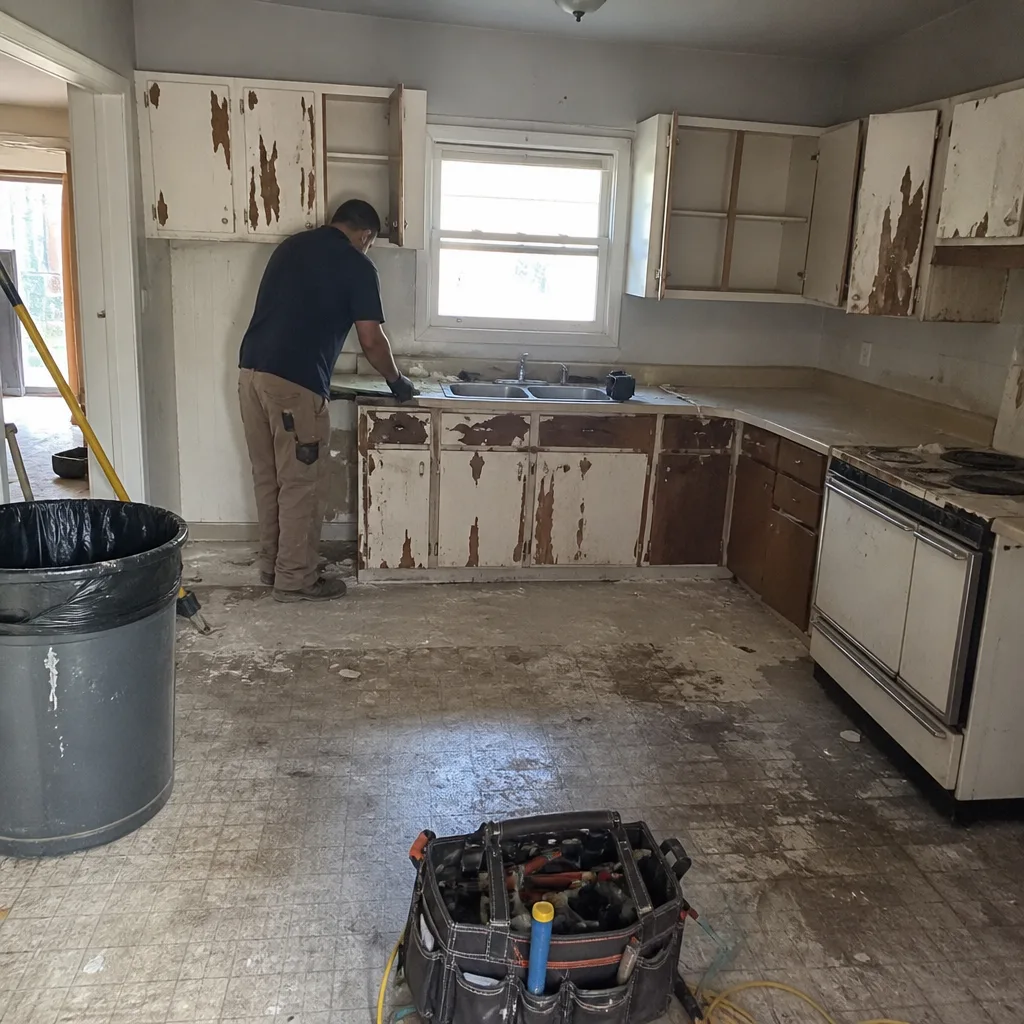 Before
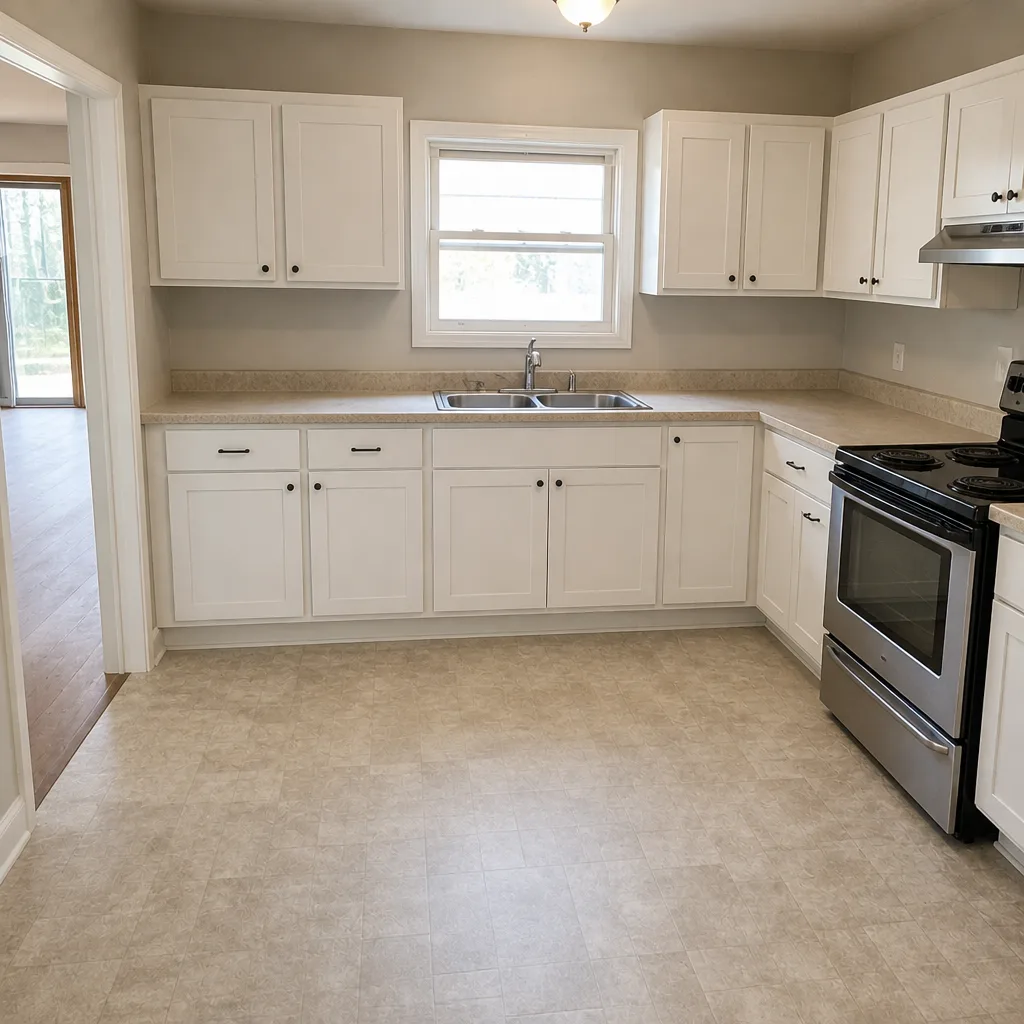 After
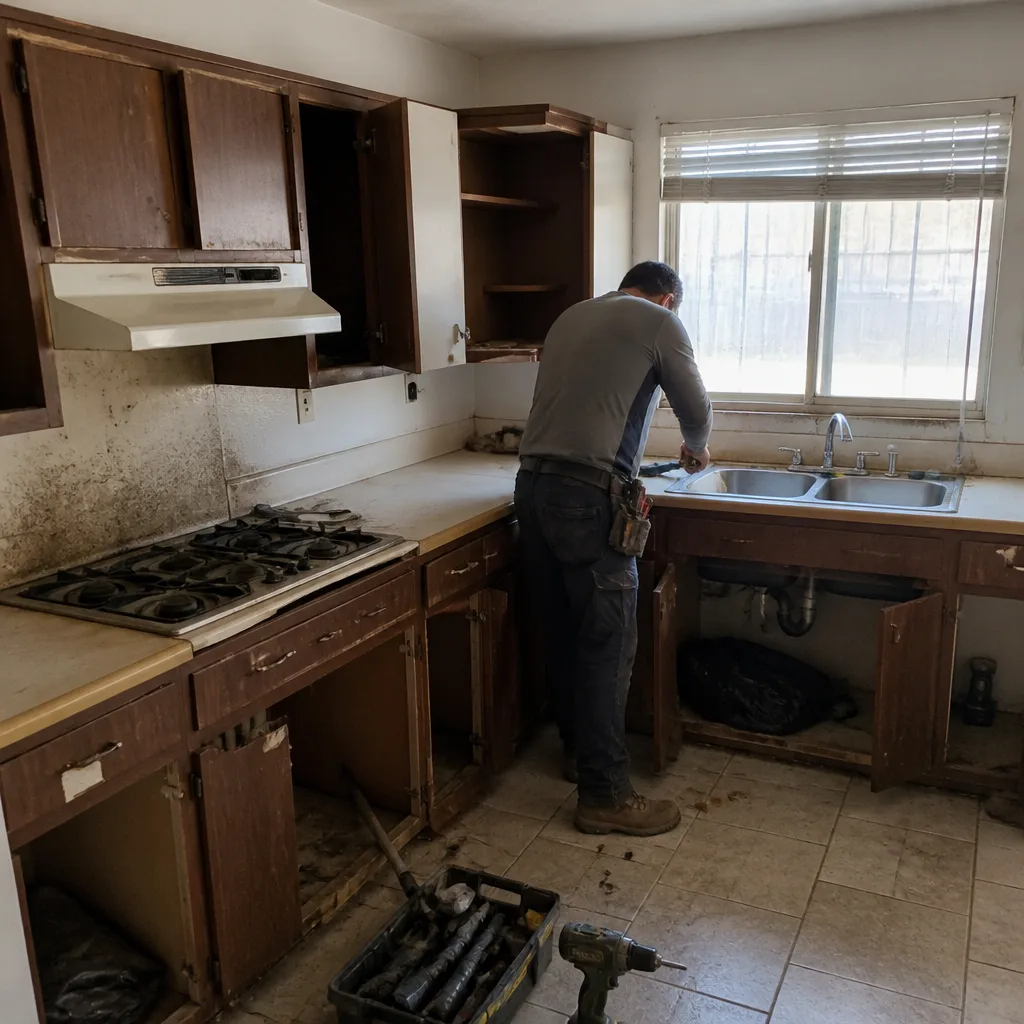 Before
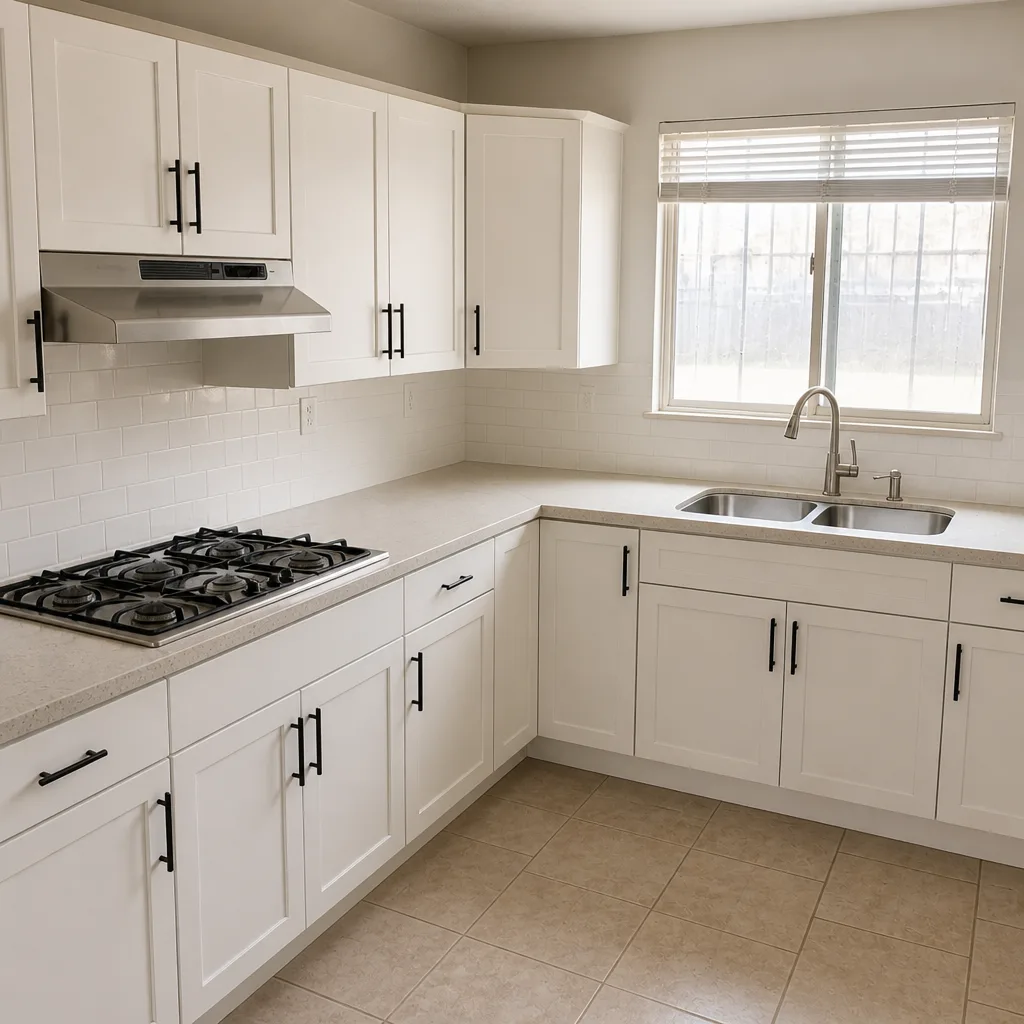 After
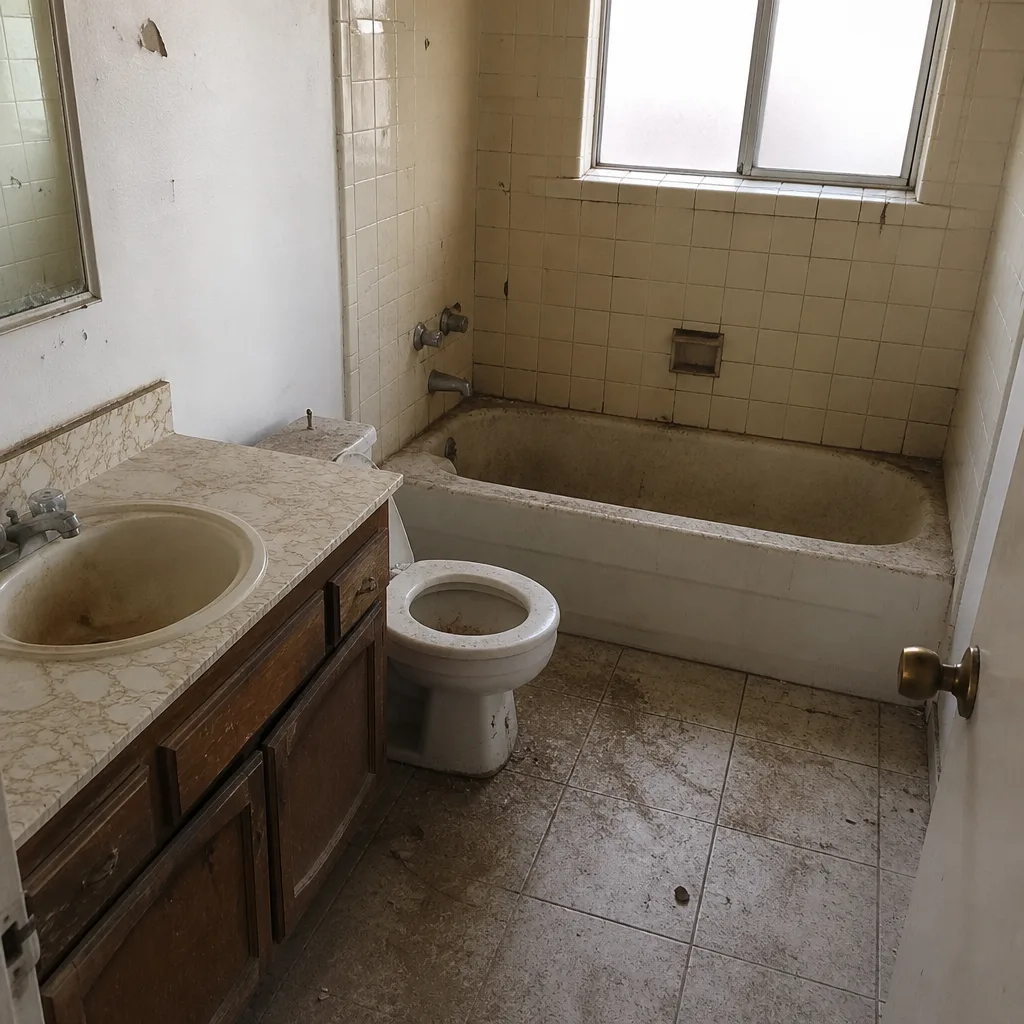 Before
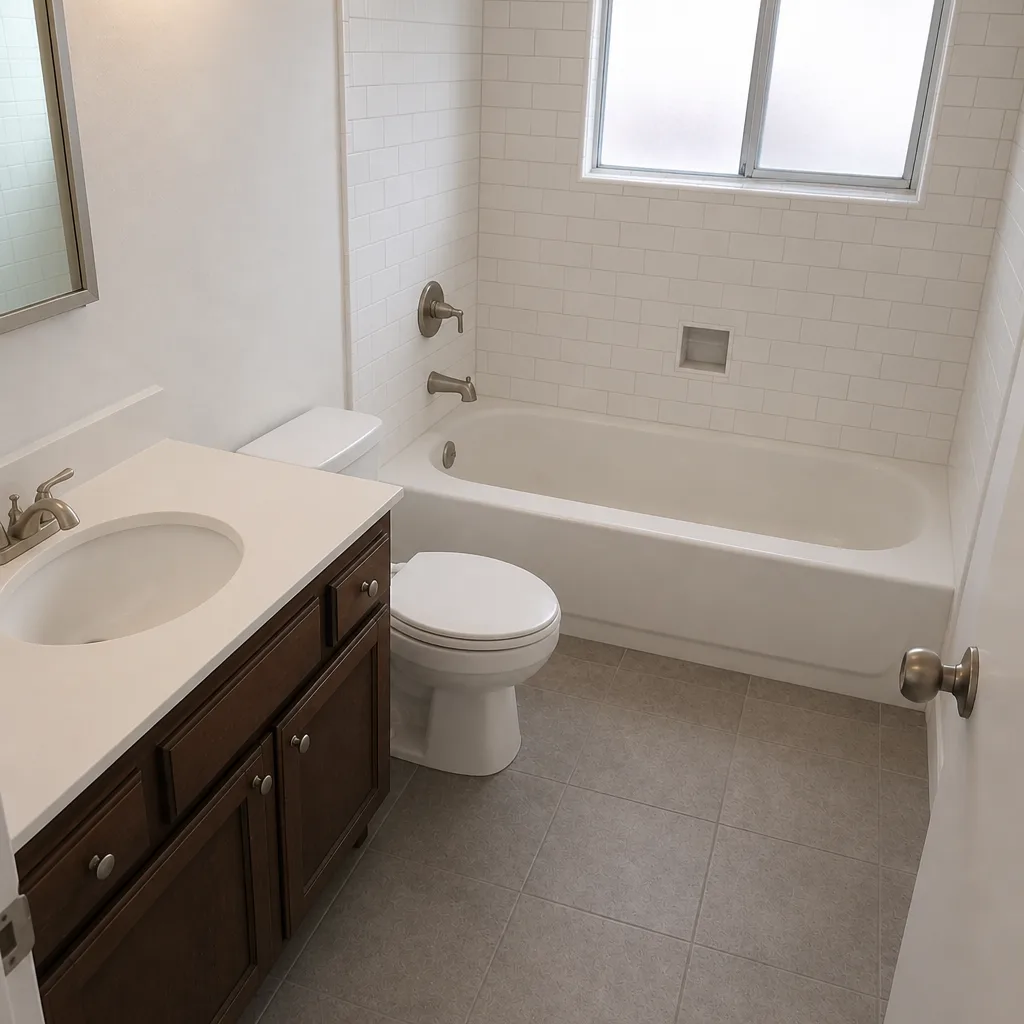 After
When to Call a Professional
Some inspection and maintenance is reasonable for any homeowner. But a few situations clearly warrant a professional look, and it’s better to call early than after the damage shows. Call us if you find active water intrusion during monsoon, if roofing sealant or flashing is failing beyond a quick repair, if paver drainage is ponding or the base has moved, if stucco cracks are wide or actively spreading, or if a fence post or gate has come loose in a way that affects stability. Roof work and any handling of roofing materials at height are genuinely dangerous, so please don’t take that on alone; a trained professional should do it. Sunrise Manor Construction offers free estimates in Sunrise Manor. Call (833) 516-4965. We answer 24/7. Fast dispatch from 7am to 7pm, Sunday through Friday.
Frequently Asked Questions

April is the most important single month, because the pre-monsoon inspection and sealing window runs April through June and your roof must be ready before the July rains. Getting the sealing and flashing work done in April and May gives it time to cure. If you can only do one thing this year, do a pre-monsoon roof and flashing inspection.
Yes, and most homeowners skip it. Monsoon damage often doesn’t show until materials dry and contract in the fall, so an October assessment reveals water intrusion, widened stucco cracks, and paver settlement while there’s still time to fix them before the next season. It’s the step that keeps small issues from becoming expensive ones.
Late fall through winter, November through February, is the best window for roofing, pavers, fencing, and most exterior work here. Temperatures are mild, materials cure predictably, and you’re not working against monsoon moisture. Scheduling now also puts the finished work in place before the pre-monsoon inspection season arrives. Call (833) 516-4965 for a free estimate on project timing.
Look for water stains or dampness on ceilings and walls near chimneys, roof valleys, and HVAC penetrations, especially after a heavy rain, since flashing points are the most common entry path. Photograph anything you find, with the date and storm, so a contractor knows exactly where to look. If you find active intrusion, call us; we can help assess and repair it.
Yes. A paver system can drain in dry conditions and still pond under monsoon volume, and settlement usually shows up at the base before it shows on the surface. Watch where water pools during heavy rain and note pavers that sink or lift. Fixing grading and settlement in the dry months is far cheaper than repairing a failed base later.
No. Winter is mild enough here that roofing, pavers, fencing, and additions can all proceed without weather delays, which is exactly why it’s the ideal build season. If anything, winter is the season when projects run most predictably. That makes it a good time to scope a larger project and get the work done while the weather cooperates.
The Bottom Line
Sunrise Manor doesn’t have four seasons; it has a pre-monsoon heat window, a monsoon, a drying-out assessment period, and a mild build season. Get the order right and your home’s exterior shell, from roof to pavers, holds up through the year. The short version: inspect and seal April through June, monitor during monsoon, assess in October, and build in winter. Handle the desert-specific tasks, UV sealant, HVAC penetrations, and expansion joints, on a year-round rotation. Most of the expensive problems we see begin with maintenance done in the wrong month. Free estimates in Sunrise Manor: call (833) 516-4965. We answer 24/7. Fast dispatch from 7am to 7pm, Sunday through Friday. One reminder on logistics: we’re closed Saturday, and a call outside dispatch hours is booked into the next opening, Sunday through Friday, 7am to 7pm.
As a full-scope residential contractor, Sunrise Manor Construction handles your home’s exterior and interior as one coordinated project, from driveway and roofline to the kitchen inside. Our technicians have up to 11 years of experience, and we work with more than 50 product brands so you don’t have to source the materials yourself. Whether you’re planning a single high-impact upgrade or a multi-phase renovation, ask us about product tiers and how we scope work around the local calendar. Your home’s next chapter deserves a plan that fits this climate, and we’re glad to help you build it.
Written by the team at Sunrise Manor Construction.