Last updated November 18, 2026




Free written scope consultation - allowances, timeline, and change-order rules on paper before a single trade is scheduled
How to Hire a Construction Contractor in Sunrise Manor: A Step-by-Step Guide
Most hiring advice tells you to check a license, confirm insurance, and collect three bids. That’s fine as far as it goes, but it doesn’t go far enough here. Nevada licensing is a state baseline, and passing a state exam doesn’t prove a contractor has ever steered a project through Clark County’s third-party inspection process, or that they priced a roof for desert UV rather than a product spec sheet written for a milder climate. The gap between “licensed” and “right for this project in this valley” is exactly where good money goes bad. This guide reframes the vetting conversation around what actually predicts success in Sunrise Manor, from the license classes to ask about to the interview questions that separate desert experience from a generic portfolio.
Quick Answer
Here’s the short version. Hire a licensed Nevada contractor whose license class matches the dollar value and scope of your project, whose insurance you verify directly with the carrier, and whose bid was written against a scope sheet you provided, not one they drafted to look competitive. Then interview them on local specifics: thermal expansion joint placement, cool-roof compliance, caliche mitigation, and how they handle a mid-project framing change through Clark County’s inspection process. The contractor who answers those without hesitation is the one worth hiring.
Styles & brands we work with
- Kitchen remodeling
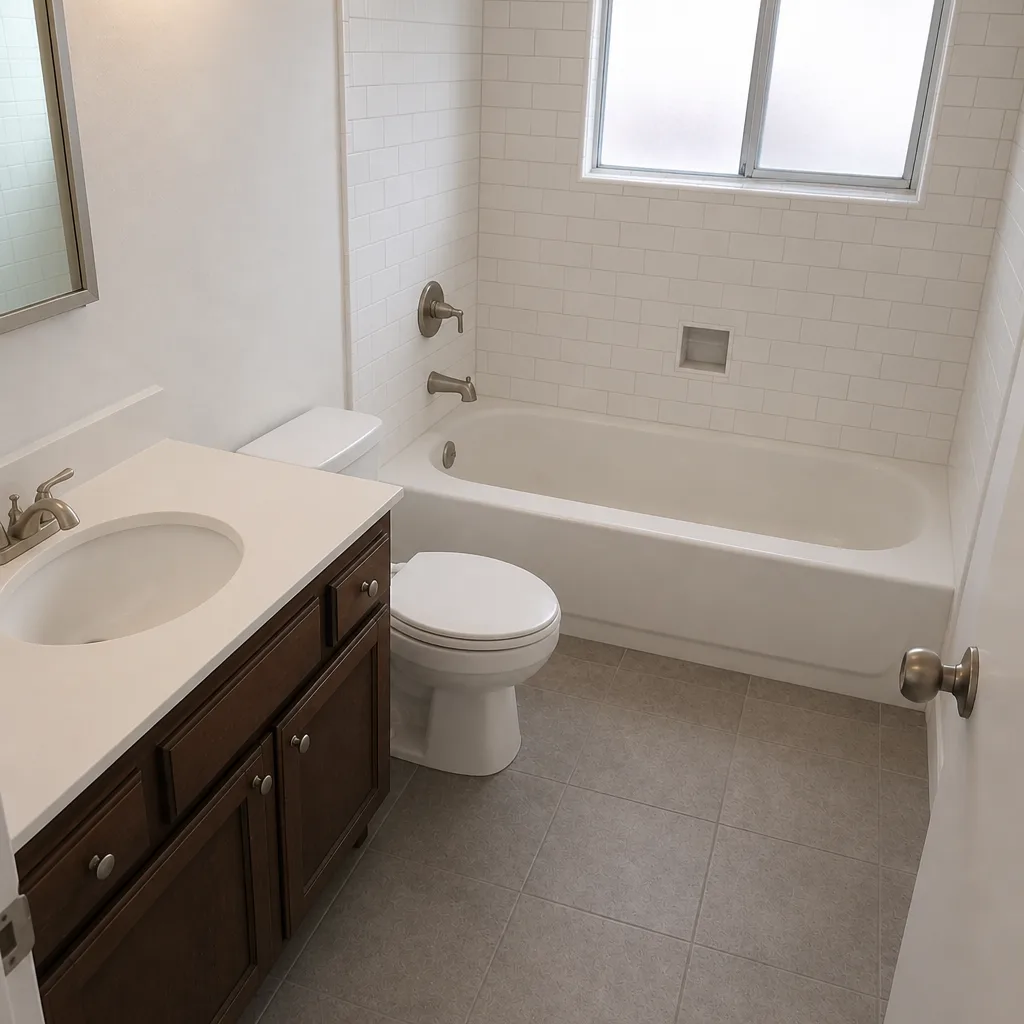
- Bathroom remodeling
- Home additions & ADU
- Roofing
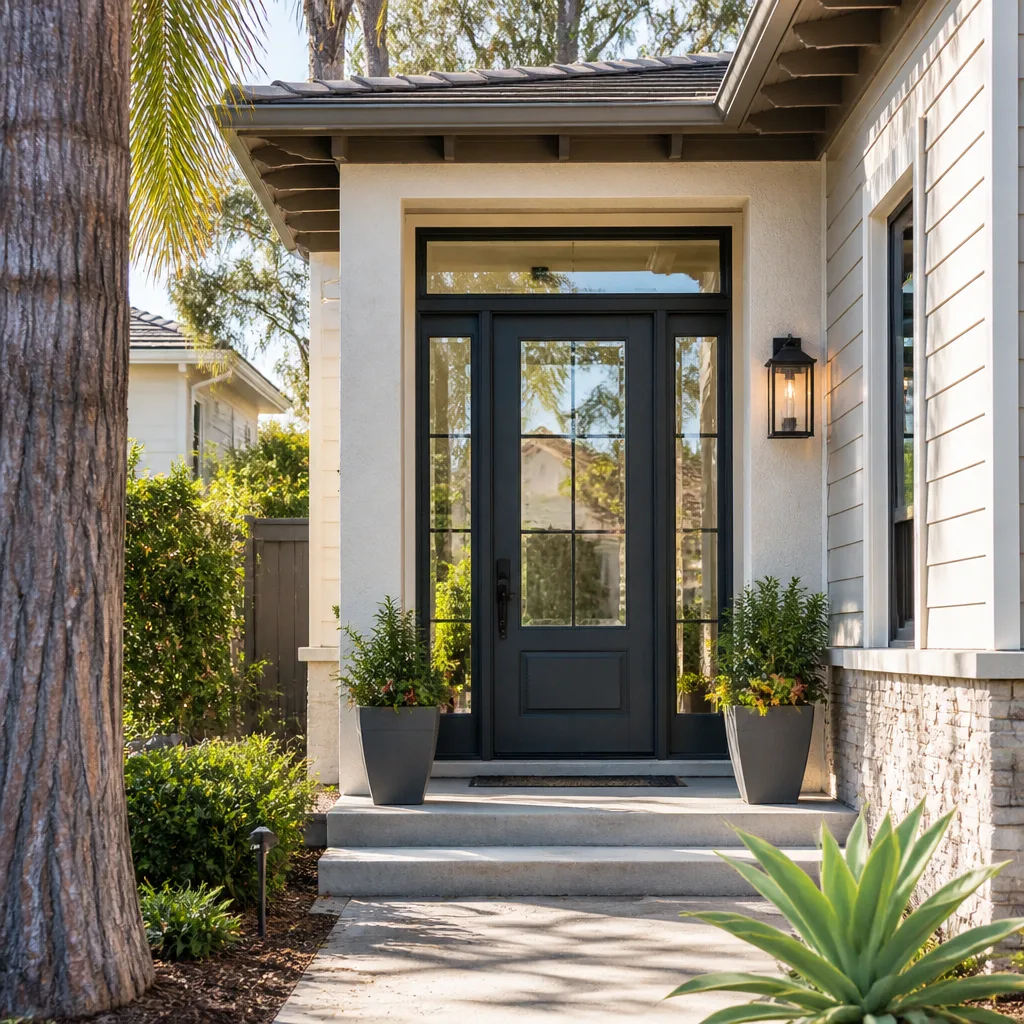
- Windows & doors
- Driveway & pavers
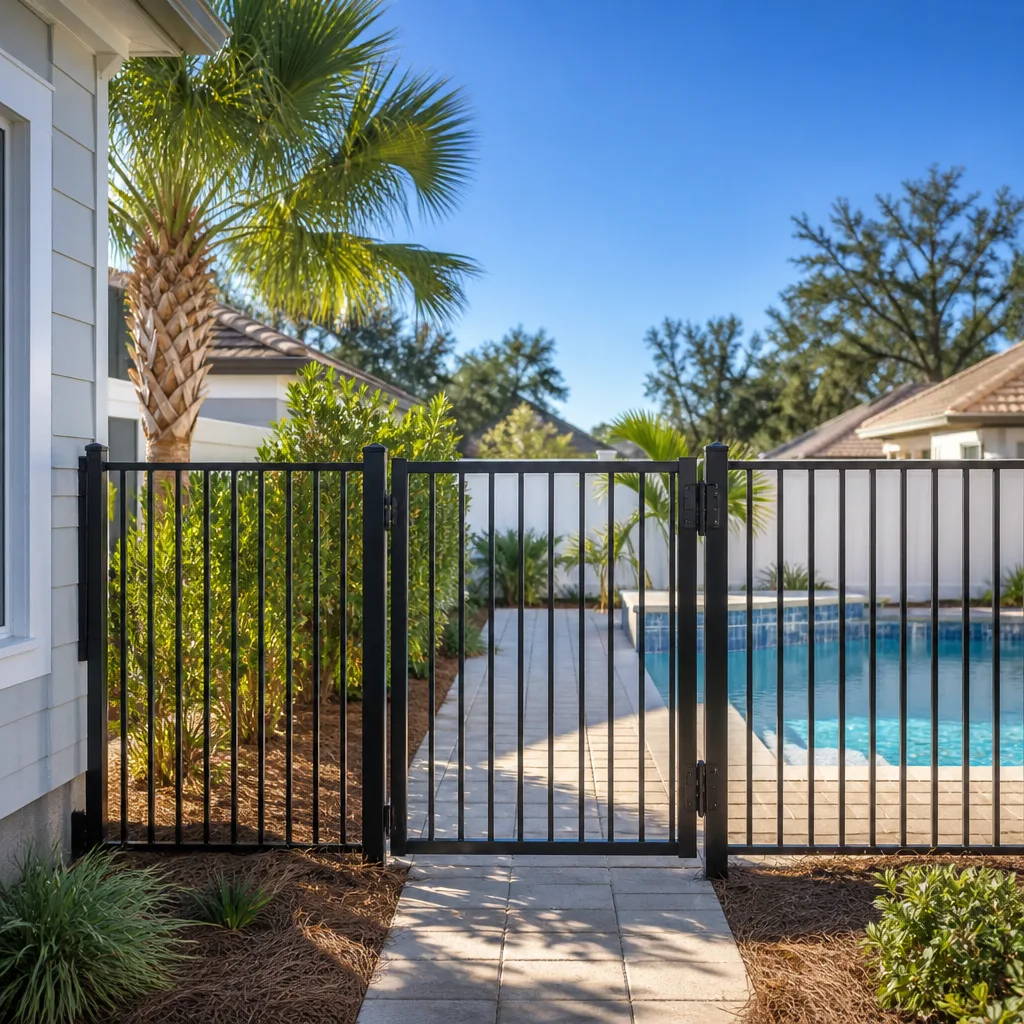
- Fence
Table of Contents
- What license and insurance should a Sunrise Manor contractor carry?
- How do you compare contractor bids fairly when each one scopes the job differently?
- What interview questions reveal real desert-climate experience?
- What red flags are specific to the Las Vegas metro contractor market?
- How does a full-scope contractor change the vetting math?
- What is the step-by-step hiring process, start to finish?
- What are the most common mistakes to avoid?
What license and insurance should a Sunrise Manor contractor carry?
A contractor working in Sunrise Manor must hold an active contractor’s license through the Nevada State Contractors Board, and the license class must match the type and dollar value of the work. That part is non-negotiable, and it’s also the part most homeowners stop at. The reason it isn’t enough: Nevada licenses the business and tests the qualifier, but the county and its inspection partners govern how the work on your property actually gets checked, sequenced, and signed off. A contractor can be perfectly licensed and still be clumsy in the local inspection cadence, which tends to show up as a stalled schedule rather than a safety problem. Both matter.
On insurance, don’t accept a photocopied certificate as the final word. Ask for the certificate of insurance and then confirm coverage directly with the named carrier. You’ll want to see general liability and workers’ compensation, with limits that make sense for the scope you’re undertaking. If a contractor shows up with subcontractors instead of employees, ask each of those subs the same question. Coverage gaps get discovered at the worst possible moment, usually when a crew member is injured on site.
Two more checks belong on this step:
- Bonding. Nevada’s licensing structure ties a bond to the licensed contractor. Ask how that works for your project and get it in writing.
- Who pulls the permit. In Nevada, residential permits run through the local building authority, and the responsible party should be clear before work begins. If your contractor wants you to pull the permit as the homeowner, that’s a signal about their willingness to be accountable for inspections.
Ask for the license number, the class, the status, and whether it’s active right now. A licensed contractor will hand that over without hesitation. A verbal assurance isn’t the same thing. If you want to see how full-scope coverage across Sunrise Manor Construction categories looks in practice, that’s a fair question to bring into the conversation early.
How do you compare contractor bids fairly when each one scopes the job differently?
You compare bids by making them comparable. That is the entire trick, and it’s where most homeowner bidding goes sideways. Three contractors hand you three numbers. One is much lower. The temptation is to read that as value. The reality is usually that the low bid removed something, and that something is often in the part of the scope you can’t see from the curb: the underlayment thickness, the ventilation detail, the joint treatment, the quality tier of the finish material. Bids aren’t comparable until they’re built on the same written scope.
So you build the scope sheet. Write out exactly what you want, then ask each contractor to bid that spec line by line, not to hand you a lump sum. Here’s how to run it:
- Write the scope yourself, or have it written for you. List each phase, each product category, and each finish tier. If the category is roofing, say so. If it’s a bathroom, name the fixture and surface categories you want priced.
- Specify the material tier. Premium, mid-range, and value are legitimate choices, but a bid only means something if all three contractors are pricing the same tier. One bidding a premium surface and one bidding an entry-level surface will show wildly different numbers for reasons that have nothing to do with labor.
- Ask for a line-item breakdown. Labor, materials, permits, inspections, disposal, and anything the contractor is assuming rather than quoting.
- Flag every exclusion. Anything not listed as included is excluded. That’s the rule. If a shell material or a finish isn’t named, it’s not in the price.
- Compare change-order terms. How are mid-project changes priced? Firm quote or time and materials? Both are fine; the difference should be stated before you sign.
When all three bids price the same spec, the comparison suddenly becomes honest. The low bid is either the better operator or it’s missing the ventilation detail, and now you can actually find out which. We’ve watched this single habit – bidding to a homeowner’s spec sheet rather than a contractor’s own scope – resolve most of the mistrust that surrounds the bidding process. It also opens up real product choices: driveway & pavers selections, for instance, look very different in a value paver versus a premium one, and the only way to see that on paper is to have both priced.
What interview questions reveal real desert-climate experience?
Interviews are where you separate a contractor who works in the Las Vegas valley from a contractor who has worked here. The difference shows up in how they talk about the material physics of a hot, dry climate. Heat drives expansion. Dry air and soil chemistry affect everything from slab prep to finish adhesion. A contractor with desert experience will answer these questions with specifics rather than generalities, and the specificity is the tell.
Here’s what to ask, and what to listen for:
- “How do you handle thermal expansion joints on a flatwork or hardscape install?” You want to hear about joint spacing, material movement, and the acceptance that concrete and pavers move in the heat. Vague answers here predict cracks later.
- “How do you approach cool-roof compliance?” Roofing products are rated for solar reflectance, and the local building authority cares about it. A contractor should know which products in their lineup meet compliance and why the choice matters for the attic temperature in July.
- “What’s your approach to caliche?” Caliche is the cemented layer common in desert soils, and it changes how you dig, prep, and found a project. A contractor who has genuinely worked this ground will talk about it as a known condition with a real cost attached, not a surprise.
- “How do you sequence a project through local inspections?” The answer should include an inspection schedule and a plan for what happens when an inspector flags something mid-project. That’s the honest version.
- “What do you do when a framing change comes up mid-project?” This is the question that separates the ledger from the field. A change during framing touches the inspection sequence, the schedule, and sometimes the engineering. A contractor who has navigated this before answers with a process. A contractor who hasn’t goes quiet.
Ask for their material brand relationships, too. A contractor who partners with Boral on roofing products, or works with Mr-Glass on windows, has had to sit through the manufacturer’s technical training and standards, and the difference shows in how they specify the work. Ask them about fence installation and how they handle post depth and footing in our soil; the answer tells you as much about their process discipline as anything they say about the fence itself.
What red flags are specific to the Las Vegas metro contractor market?
The usual red flags apply anywhere: no written contract, demand for a large upfront payment, pressure to sign today, a price that doesn’t reflect the scope. But this market has its own patterns, and they’re worth naming because they’re the ones homeowners around Sunrise Manor are most likely to hit.
- High-volume tract builders bidding custom residential work. A builder whose entire operation is production housing at scale will bid your custom job as though it were unit #412. The materials are spec’d for the lowest common denominator, the schedule has no slack for the surprises a custom home brings, and the moment you ask for a deviation, the process breaks down. Ask directly: does the company’s work mix include custom residential, or is it all tract? The answer reframes the bid.
- Out-of-state crews without local supplier relationships. A crew that arrives from elsewhere has no relationship with local manufacturers, distributors, or inspectors. If a window arrives damaged, they can’t call a rep they know. Local brand partnerships aren’t paperwork; they’re how a job gets unstuck fast.
- Bids built by exclusion. A low bid that doesn’t specify the material tier, the shell system, or the inspection process is incomplete, not cheap.
- Vague completion schedules. Ask for a written schedule with milestones. A contractor who won’t give one either hasn’t planned the job or won’t be held to it.
- Communication that changes after the contract. The way a contractor responds to your questions before signing is the best predictor of how they’ll respond mid-project. Note it.
- No brand depth in the category that matters most. Ask which manufacturers they work with for the specific product you’re buying. Specific partnerships signal real relationships; a shrug signals a supply run to a big box store.
One more local observation. The desert climate is forgiving in some ways and unforgiving in others. Materials that would be fine in a temperate environment age differently here – UV exposure, heat cycling, and dry soil all work on the exterior envelope in ways that custom residential buyers need to understand. A contractor who talks about the exterior envelope as an integrated system rather than a set of isolated jobs is a contractor who’s thought about it.
How does a full-scope contractor change the vetting math?
Here’s the part the standard hiring advice doesn’t get into. If you’re taking on a multi-phase project – say, a home addition and a new roof and a bathroom and a driveway – the hardest part of the job often isn’t any one of those. It’s the coordination between them. Three trade calendars, three sets of material supply chains, three schedules that don’t quite align, and one homeowner sitting in the middle acting as project manager. That fee is hidden, but it’s real.
A full-scope contractor changes that math. One contractor relationship through the exterior envelope and the interior leaves one point of accountability. The roofline, the windows, the siding, and the interior finishes aren’t separate projects bidding for the same calendar; they’re sequenced by the same process. When a supply chain issue hits one category, the contractor has the authority to re-sequence rather than the homeowner renegotiating with a vendor. The overhead in time and stress gets absorbed instead of handed to you.
There’s a second advantage: vetted brand partnerships that make the spec sheet real. When a contractor works with a portfolio of recognized manufacturers across roofing, windows, doors, cabinetry, countertops, fixtures, and hardscape, the tiers you compare are actual options, not catalog pages. A value-tier countertop and a premium-tier countertop get priced by the same team, and the difference shows up as a real choice on the estimate. The same applies on a home additions & ADU project, where both traditional stick-built construction and modern prefab or modular solutions are in play. Choosing between those options requires a contractor who has walked the path with both.
The right questions to ask a full-scope contractor during vetting:
- Which of my project categories will you handle directly, and which will you subcontract? Ask for the numbers on both.
- What are your brand relationships in each category, and which tier do you recommend for my budget and goals?
- How do you schedule multiple phases under one contract, and how does a delay in one phase affect the next?
- What’s the change-order process when a mid-project condition changes the scope?
You don’t need every category under one roof. But if your project touches more than one, ask the question. It changes what you’re comparing.
What is the step-by-step hiring process, start to finish?
Here’s the full sequence. It reads long; it runs faster than waiting on a problem project will.
- Define the project and the budget range. Write down the categories involved, the outcome you want, and the range you can spend. Bring those to every conversation.
- Build your scope sheet. Line-item the work, the material tiers, and the finish categories. This becomes the document every contractor bids against.
- Shortlist three licensed contractors. Verify license class and status through the Nevada State Contractors Board. Ask each for references on projects of similar scope.
- Confirm insurance directly with the carrier. Don’t rely on a certificate alone. Confirm general liability and workers’ comp, and ask about subcontractor coverage.
- Request written bids against the scope sheet. No lump sums. Line-item breakdowns, exclusions named, change-order terms stated.
- Interview each contractor on desert specifics. Thermal expansion joints, cool-roof compliance, caliche, inspection sequencing, mid-project framing changes. Take notes.
- Compare on comparable bids only. Reject bids that priced a different spec. The comparison is meaningless otherwise.
- Review the contract line by line. Scope, schedule, milestones, payment schedule tied to progress, change-order process, inspection responsibilities.
- Confirm the permit plan. Who pulls it, who meets the inspector, who handles a re-inspection if one is needed.
- Lock the schedule in writing. Milestones and a communication plan. Know how you’ll hear about a change and how quickly.
This sequence will burn more of your time up front than the standard “get three bids” path. It also eliminates most of the ways projects go sideways. The contractor who welcomes the scope sheet and the interview questions is the contractor who has done this before. The contractor who resists is telling you something.
Common Mistakes to Avoid
- Comparing bids that aren’t comparable. Three bids priced against three different scopes tell you nothing. Build the scope sheet first, or you’ll pick the low bid and pay the difference in change orders.
- Treating the state license as the finish line. A Nevada license proves the contractor passed a test and can operate a licensed business. It says nothing about local inspection experience or desert-climate material knowledge. Ask about both.
- Skipping the insurance verification with the carrier. A certificate is a piece of paper. Confirming coverage with the carrier is a phone call. Both take seconds; only one is meaningful if there’s a claim.
- Accepting verbal assurances on brand or tier. “We work with the good brands” isn’t a specification. Ask for the specific manufacturer and product tier in writing.
- Hiring a tract-spec builder for custom work. The production housing model doesn’t bend to custom scope. It’s a different business. Ask what the company’s work mix is before you sign.
- Missing the change-order fine print. Every project has changes. The price, approval process, and schedule impact of a change should be stated before work starts, not negotiated under pressure once it’s underway.
- Letting schedule assumptions go undiscussed. If a mid-project framing change triggers an inspection sequence delay, everyone on the project needs to know the impact in writing. Get milestones in the contract.
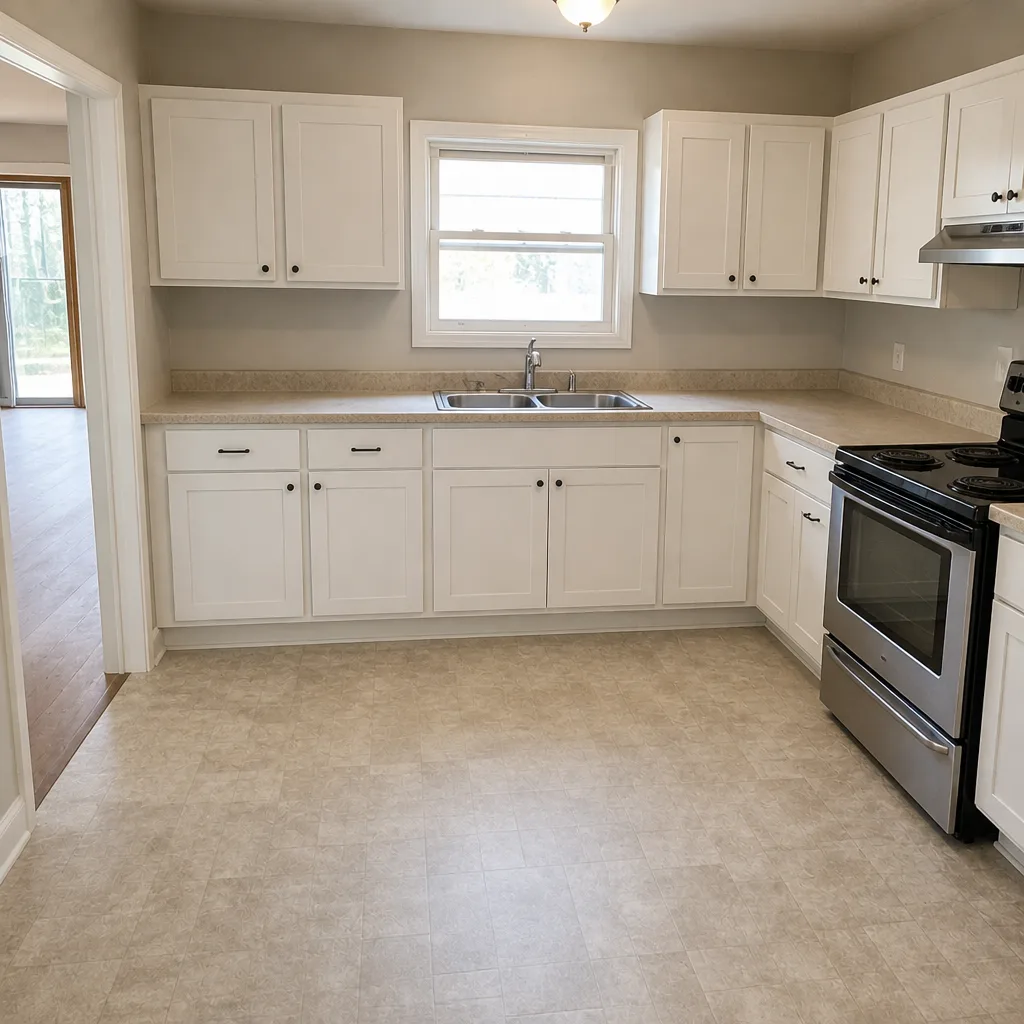
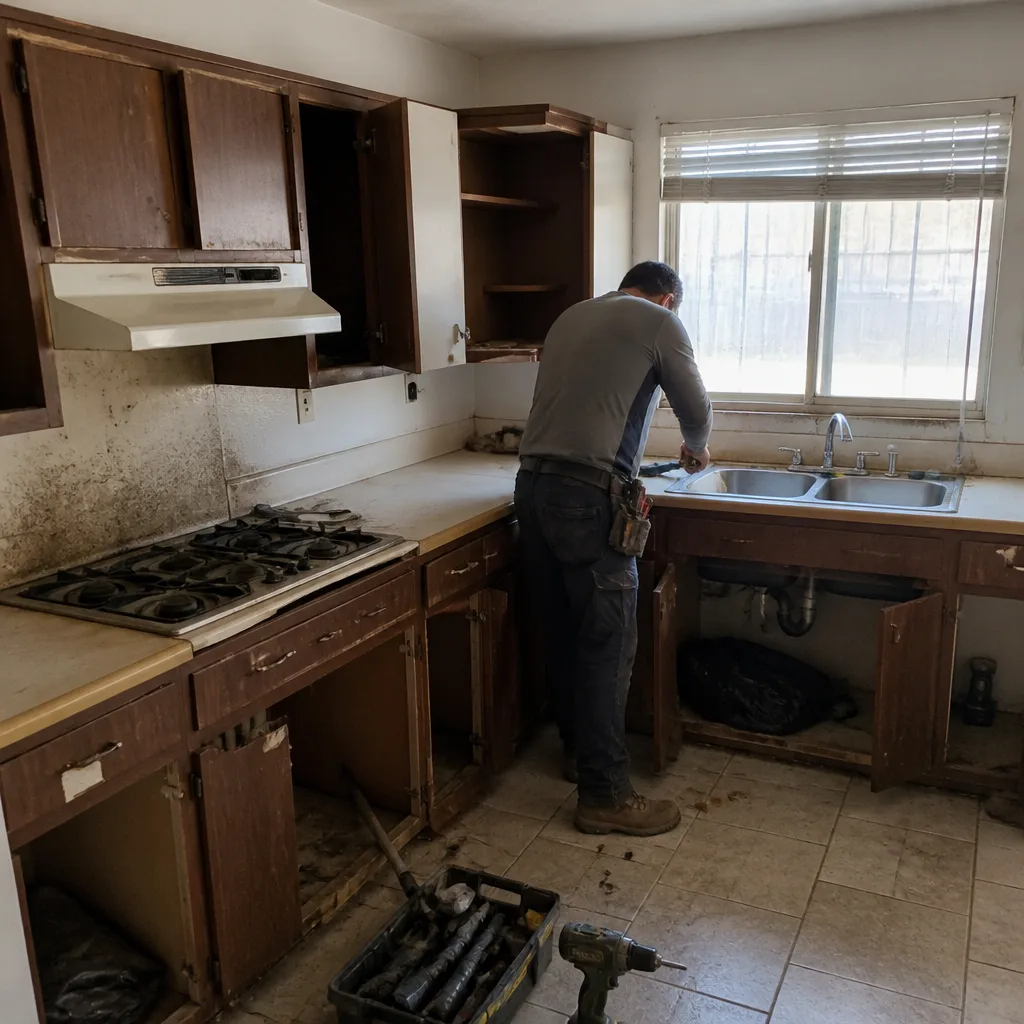
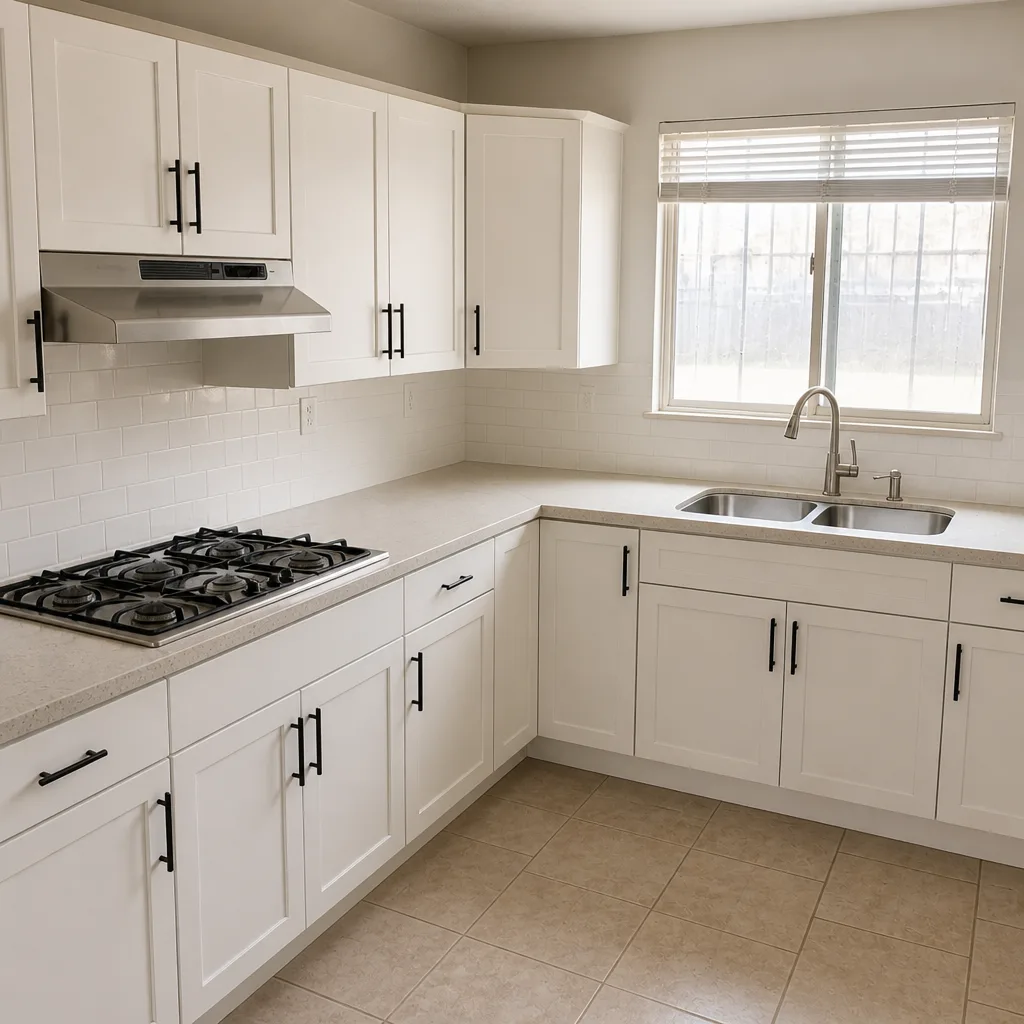
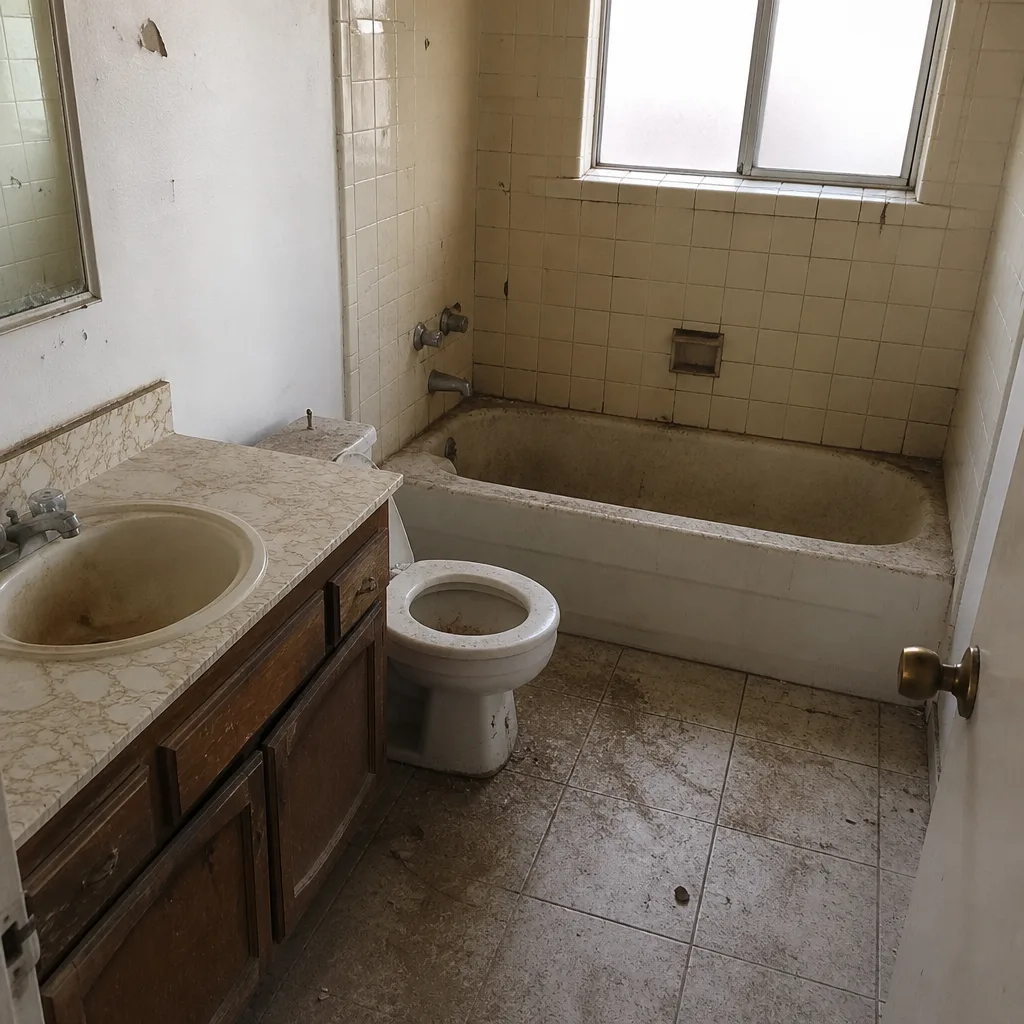
See the difference
 Before
 After
 Before
 After
 Before
 After
When to Call a Professional
Some project decisions are easier than others. If the work touches the structure, the exterior envelope, or any permit-required scope, it needs a licensed contractor, full stop. That includes roofing, windows and doors, home additions and ADUs, any electrical or plumbing rough-in, and anything that changes the footprint of your house. If a project requires a permit and inspection, you don’t want to be the one navigating that process on a homeowner’s permit. If you’re coordinating three or more trades yourself – hardscape, exterior envelope, interior finishes – the project has crossed the threshold where a full-scope contractor usually saves the homeowner more in coordination cost than their fee. And if the budget discussion has led you to multiple bid tiers and material specs you don’t quite understand, that’s the moment to bring in a contractor who can walk you through the choices rather than one who’ll pick for you.
Sunrise Manor Construction offers free estimates in Sunrise Manor – call (833) 516-4965. We answer 24/7. Fast dispatch from 7am to 7pm, Sunday through Friday. Our technicians have up to 11 years of experience, and the estimates are free and the written estimate sets the final price.
Frequently Asked Questions
A contractor working in Sunrise Manor needs an active license through the Nevada State Contractors Board, and the license class must match the scope and dollar value of the project. Ask for the license number and class, and verify both through the board before you sign. A state license doesn’t confirm local Clark County inspection experience, so ask about that separately.
Three bids is a reasonable number, but the number matters less than whether they’re comparable. Build a written scope sheet with the material tiers and finish categories named, then ask each contractor to bid against it line by line. Three bids priced against three different scopes will mislead you. Call (833) 516-4965 for a free estimate against your scope – estimates are free and the written estimate sets the final price.
Not for changes that fall within the agreed scope, as long as the written contract states the scope clearly and the change-order process is spelled out before work begins. Legitimate changes – a condition found in the field that wasn’t visible during the estimate – get priced per the contract terms. Ask how changes are priced and documented, and get the answer in the contract. Call (833) 516-4965 for a free estimate in Sunrise Manor.
Contractors typically pull the permits for the work they perform, and that’s the arrangement you want. Permits and inspections are the mechanism that verifies the work meets local code, and the contractor who performs the work should own that process. If a contractor asks you to pull the permit as the homeowner, ask them why before you proceed.
Ask specific questions and listen for specifics in the answers. Thermal expansion joint placement on hardscape and flatwork, cool-roof compliance in roofing products, caliche mitigation during site prep, and how inspections get sequenced mid-project are all things a locally experienced contractor will answer with detail. Generalities and hesitation are the tell. Call (833) 516-4965 to talk through your project with our team.
The timeline depends on project scope, material lead times, and inspection scheduling. A bathroom remodel typically runs faster than a full home addition, and ADU projects vary widely. Ask every contractor for a written schedule with milestones, then hold them to it. A contractor who won’t give a written schedule hasn’t planned the job. Call (833) 516-4965 for a free estimate and a scope discussion.
The Bottom Line
Hiring a contractor in Sunrise Manor isn’t about collecting the most bids. It’s about a scope sheet you control, a license you verify, insurance you confirm with the carrier, and interviews that probe desert-climate experience and Clark County inspection experience. The contractor who answers those questions with detail is the one who’ll answer your mid-project phone calls with the same discipline. We work with brand partnerships across every project category – roofing, windows, hardscape, cabinetry, surfaces – so the tiers you compare are real choices, not catalogue pages. One contractor from the driveway to the roofline changes what the comparison actually means.
Call (833) 516-4965 for a free estimate. We answer 24/7. Fast dispatch from 7am to 7pm, Sunday through Friday. Reach out to Sunrise Manor Construction and let’s talk through the scope of your project.
Written by the team at Sunrise Manor Construction.