
Last updated November 18, 2026






Free written scope consultation - allowances, timeline, and change-order rules on paper before a single trade is scheduled
Construction Emergency Preparedness Guide for Sunrise Manor Homes
During a monsoon event in Sunrise Manor, the window between “I see water coming in” and “the drywall is soaked” can be under four hours. Most homeowners treat that window as a scramble. The ones who come out with a repair bill instead of a remediation project are the ones who already knew where the water shutoff was, which roofer to call, and what their insurance adjuster would ask for. This guide is built to be read now, on a quiet afternoon, and turned into an action plan you keep on the fridge. We’ll cover Sunrise Manor’s specific risk profile, the first-30-minutes protocol for each emergency type, what to tell a contractor when you call, and the secondary damage that shows up weeks later.
Quick Answer
Construction emergencies in Sunrise Manor follow predictable patterns: monsoon roof breaches, stucco and flashing failures under saturation, wind-driven roof damage, and water intrusion at HVAC penetrations. The homeowners who limit damage are the ones with a pre-established response protocol: utility shutoffs located, a pre-vetted contractor contact, documentation habits in place, and temporary mitigation supplies on hand. Read this guide before storm season and build the plan into your household routine. When you need help, call Sunrise Manor Construction at (833) 516-4965. We answer 24/7. Fast dispatch from 7am to 7pm, Sunday through Friday.
Styles & brands we work with
- Kitchen remodeling
- Bathroom remodeling
- Home additions & ADU
- Roofing
- Windows & doors
- Driveway & pavers
- Fence
Table of Contents
- Sunrise Manor’s Emergency Construction Risk Profile
- The First 30 Minutes: Response Protocol by Emergency Type
- What to Tell an Emergency Contractor When You Call
- How to Pre-Vet an Emergency-Response Contractor Before You Need One
- Building Your Emergency Construction Kit
- Post-Emergency Inspection: What Shows Up 2 – 6 Weeks Later
- Documentation for Insurance: What Adjusters Actually Need
- From Emergency Repair to Permanent Fix
Sunrise Manor’s Emergency Construction Risk Profile
Sunrise Manor sits in the Mojave fringe, where summer monsoon cells drop intense rain in short windows onto ground that hasn’t absorbed water in months. That combination – dry, crusted soil, mature stucco, and flat or low-slope roof sections – produces a specific set of failure modes. They’re different from what a coastal or wooded market deals with, and knowing them is the difference between preparing for the right emergency and preparing for the wrong one.
The four categories we see repeatedly across Sunrise Manor:
- Monsoon water intrusion. Wind-driven rain finds the weakest point in the envelope. On Sunrise Manor homes that’s often around roof penetrations, deteriorating sealant at window frames, or stucco cracks that have opened over a dry summer. Water doesn’t need a hole. It needs a path.
- Flash drainage failures. Hard desert soil sheds water fast. When a monsoon cell drops heavy rain in a short period, runoff can overwhelm grading, patio drains, and driveway edges. Water pools against foundations and under slabs before the ground can drain. Homes on slightly sloped lots can see water enter at the low-side wall while the rest of the property looks fine.
- Heat-event HVAC curb failures. Sustained high heat cycles roof-mounted HVAC units on and off for weeks. The curb, flashing, and sealant around those units expand and contract, then lose their grip. The first monsoon after a hard heat spell is when the leak appears – not during the heat itself.
- Wind-driven stucco and roofing damage. Desert wind events lift or tear shingles, lift flashing, and open hairline cracks into accessible openings. Damage that looks cosmetic on the ground can be a full water path once rain arrives.
If your home has recently had a new roof installation, that’s a good icebreaker with your contractor when you do your pre-season inspection – new installations still benefit from a post-monsoon check on penetrations and flashings. Older homes in Sunrise Manor deserve a closer look at stucco and window seals. Our technicians have up to 11 years of experience reading exactly this kind of envelope damage.
The First 30 Minutes: Response Protocol by Emergency Type
The first 30 minutes determine whether you’re managing a repair or a remediation. The following protocols are not DIY repair instructions – they’re safety and containment steps that any homeowner can take while a professional is on the way. For anything involving electrical systems, gas, or heights, stop at containment and call.
1. Water entering through the roof or ceiling
- Move contents out of the room below. Furniture, electronics, documents, anything that water will ruin. Do this first, before investigating.
- Contain the water on the floor. Buckets, bins, towels at the perimeter. In a ceiling leak, place a bucket under the drip and add a small hole in the bulge to relieve the water if a bulge forms – small enough to direct it. A bulging ceiling can fail suddenly.
- Turn off the electrical circuit to the affected area at the panel if water is near wiring or fixtures. If you are not comfortable at the panel or water is contacting the panel itself, leave it and call.
- Photograph and video everything. Wide shots of the room, close-ups of the water path, the ceiling, and any contents affected. Timestamp matters.
- Do not climb onto the roof. Wet, sloped roofs with wind are not a homeowner surface. If tarping is needed, that is a call to a contractor.
2. Water pooling against the foundation or entering at grade
- Identify where the water is entering – door threshold, garage wall, stucco at grade, or an interior slab edge.
- Redirect rather than block. Sandbags or a temporary berm a few feet out from the wall steer water away. Blocking directly at the threshold often just pushes water under the slab.
- Clear the immediate drainage path. If a patio drain or scupper is clogged with debris, clear what you can safely reach.
- Shut off the water supply to the home if water is inside and the source is unclear. A burst line and a roof leak look similar by the time water reaches an interior wall. Knowing the main shutoff location ahead of time saves minutes here.
- Document with photos at each stage.
3. Wind damage to roof, stucco, or windows
- Stay clear of downed lines and damaged trees near the home. Assume any downed line is live.
- Assess from the ground only. Note missing shingles, lifted flashing, cracked stucco, or broken window glass from where you can safely stand.
- Board or cover broken glass only if it’s safe and at ground level. Otherwise, move contents away from the interior side of the opening and call.
- Photograph everything before it moves. Wind damage evidence degrades quickly once debris is cleared.
4. Heat-event HVAC curb or penetration leak
- Turn off the HVAC unit if water is actively dripping near it or into the interior return.
- Contain the water below and document.
- Do not climb to the roof to look at the curb. This is one for a professional, and it’s usually a straightforward flashing and sealant repair once identified.
For any emergency where a temporary tarp, board-up, or water diversion is needed at the roof or envelope, call Sunrise Manor Construction at (833) 516-4965. We answer 24/7. Fast dispatch from 7am to 7pm, Sunday through Friday.
What to Tell an Emergency Contractor When You Call
What you say in the first 90 seconds of an emergency call determines how fast the right crew arrives and whether the scope matches. Contractors are triaging multiple calls during a monsoon event. The homeowner who leads with location, type, and severity gets dispatched first.
Have these six pieces of information ready before you dial:
- Address and cross street. Not landmarks. Sunrise Manor streets are laid out in a grid, so a cross street narrows the response faster than anything else.
- Type of emergency. Water intrusion at the roof, water at grade, wind damage, HVAC penetration. Use plain terms – “water coming into the ceiling under the HVAC unit” beats “my roof is leaking.”
- Is water active right now or has it stopped? Active water changes the response priority.
- Is the home occupied, and is anyone at risk? Elderly residents, young children, anyone with mobility issues. This affects urgency.
- What you’ve already done. Water off? Power off to the affected circuit? Contents moved? Tarp on the roof? This tells the contractor what remains.
- Insurance status. Whether you’ve opened a claim yet, and the claim number if you have one.
Then listen. A qualified contractor will ask what type of roof you have, whether the water is under the slab or entering at the wall, and whether you’ve seen damage before. If their questions are vague, so is their response.
One more thing: ask what the first visit covers. A temporary mitigation call and a full repair estimate are two different jobs. You want to know which one you’re getting and whether the mitigation visit leads to a written repair estimate. Get that in writing if the situation allows.
How to Pre-Vet an Emergency-Response Contractor Before You Need One
Pre-vetting is where a homeowner gets the most leverage and where the least urgency exists. That combination is why so few people do it – and why the ones who do come out ahead. Do this now, on a normal afternoon, and put the answers in your emergency kit.
Questions to ask a contractor before you ever need them:
- What categories of work do you handle directly? An emergency often crosses categories – water intrusion from a roof leads to stucco, window, and interior work. Ask which the contractor handles under one relationship and which they’d refer out. At Sunrise Manor Construction, we cover Sunrise Manor Construction categories from the driveway to the roofline, so most emergency-repair paths stay with one team.
- Are you licensed and insured? Ask. Get the answer in writing. Ask whether they’re bonded if your state requires it for the work in question.
- What is your response protocol during a monsoon event? A good answer names dispatch windows, asks triage questions, and clarifies mitigation vs. repair scope. A vague answer is a warning.
- How do you document for insurance? You want to hear about photos, moisture readings, written scope, and a clear line-item estimate. Not “the adjuster just looks at it.”
- What product tiers can you work with? For any repair that touches roof, window, stucco, or exterior envelope, ask which brands and which tiers. A contractor with real product range can match your existing materials or upgrade a weak point without sourcing it for you.
- Do you pull permits? For structural repairs, window replacement, roofing replacement, and most envelope work, permits are typically required. Ask who pulls them and who handles inspections.
- What do you charge for an estimate? The estimate should be free and written. Ask.
- What does your written estimate contain? Line items, not lump sums. Clear assumptions. No change orders without your written sign-off.
Write the answers down. Keep them with your insurance information and shutoff locations. Update the list if you change contractors.
For envelope work specifically – roofing, windows, stucco, siding – ask which brands the contractor regularly installs. We work with GAF, CertainTeed, Owens Corning, and IKO in roofing, and we handle impact-rated windows and doors and James Hardie cladding systems as part of the same envelope scope. You don’t have to source any of it yourself. Ask us about the tier that fits your home and your repair.
Building Your Emergency Construction Kit
A homeowner with a small kit on hand can contain damage in the first hour that would otherwise become a remediation project. This isn’t about being a hero on the roof – it’s about having the right items within reach, and knowing where the shutoffs are.
The kit:
- Heavy-duty plastic tarps (two sizes, one large enough to cover a roof section, one for a window opening)
- Plywood or OSB panels cut to window sizes, and a cordless drill with screws
- Waterproof storage bins for documents and electronics
- Flashlight, batteries, headlamp
- Sandbags or bags of mulch for temporary water diversion
- Towels, buckets, and a wet/dry shop vac
- Camera or phone with storage available for documentation
- Contractor contact card with the pre-vetted name and number
- Copy of insurance policy number and claims phone number
The shutoff locations to find now:
- Main water shutoff. Often at the street meter or at the wall near the water heater. Confirm which, and turn it once to be sure it works.
- Gas shutoff. At the meter. Know how to turn it off; if you smell gas, do not touch electrical switches and get out of the house.
- Electrical panel. Know which breaker controls which area, especially the kitchen, laundry, and any exterior circuits. Label anything unlabeled.
- Irrigation and hose bibs. An irrigation failure during a monsoon is a common cause of water against a foundation.
Note: gas and electrical panels are dangerous. If you are not confident about a shutoff, do not practice it – ask a professional during your next service visit. The time to learn the sequence is not during an emergency.
Post-Emergency Inspection: What Shows Up 2 – 6 Weeks Later
Here’s the pattern we see across Sunrise Manor. A monsoon event passes, the water stops, the homeowner mops up, and everything looks normal within a week. Two to six weeks later, the secondary damage appears – and it’s often bigger than the original event. Knowing what to look for prevents the second bill.
What to inspect, in order:
- Stucco, two weeks after saturation. Look for soft spots at the touch, discoloration, bubbling, or efflorescence (white mineral staining). Stucco holds moisture behind the face and fails from the backside out. Any area that touched water should be inspected with a moisture meter by a professional.
- Roof sheathing at penetrations. Water that entered at a flashing or HVAC curb often wets the sheathing under the roof, not the ceiling. The ceiling dries; the sheathing stays wet. This is a two-to-six-week discovery, and it’s why post-event roof inspections matter.
- Window frames and interior sills. Water that pushed past a window seal can sit in the wall cavity. Look for paint bubbling at the sill, wood swelling, or a musty smell near the window.
- Drywall and paint around ceiling lines. Interior ceiling seams, especially under HVAC units and where a wall meets the ceiling, may show a subtle bowing or a chalky line two weeks after the event.
- Mold at 48 hours and beyond. Any material that stayed wet beyond 48 hours is at risk. Musty smells in closets, under cabinets, or behind baseboards are the first sign.
- Foundation edges and slabs. Look for new cracks or widening at the slab edges and at the wall base. Saturation followed by drying shifts soil, and the slab follows.
- HVAC penetrations, every season. After a heat event that precedes a monsoon, check the sealant at roof curbs. Once a year is a minimum; after a heavy monsoon, always.
If any of these show up weeks after the event, get a professional inspection before assuming it’s cosmetic. Water damage behind a wall is a very different job than water damage at the surface.
Documentation for Insurance: What Adjusters Actually Need
Adjusters need evidence they can verify, not a narrative. The homeowners who get claims approved cleanly are the ones who documented in the first hours and can show a clear before-during-after timeline.
What to capture:
- Wide shots of every damaged area, plus close-ups of the point of intrusion
- Photos of any contents affected – furniture, electronics, documents, floor coverings
- Video walkthrough with a running description of what you’re showing
- Moisture readings if a contractor takes them (ask them to write the readings down and include them in the estimate)
- Receipts for any emergency purchases – tarps, sandbags, storage bins, temporary repairs
- A written timeline: when the event started, when you noticed water, when you called, when mitigation arrived
You do not need to sign a repair contract before an adjuster reviews the scope. You do need to make sure the estimate is line-item and the scope is complete. If the contractor’s written estimate is missing line items, ask for them – the adjuster will want them, and so will you.
Two practical points: know your deductible before you call, and know whether your policy covers water intrusion from a roof event separately from flood. The distinction matters in Sunrise Manor, where a monsoon loss can be classified either way depending on the source.
From Emergency Repair to Permanent Fix
The emergency response is the first phase. The permanent fix is where the value is. Water intrusion from a monsoon is usually telling you something about the envelope that has been true for a while. The fix isn’t tarps – it’s finding the source and closing it.
A thorough repair scope usually touches more than the visible damage:
- Roof. Shingles, underlayment, flashing, and any penetration that showed water. If the roof is nearing end of life, the repair estimate may overlap with replacement – worth asking.
- Windows and doors. Sealant, frames, thresholds. If water reached the wall cavity at a window, the window and surrounding stucco may need to come off for a proper repair.
- Stucco and cladding. Removing and replacing wet material. Patching that traps moisture is a mistake.
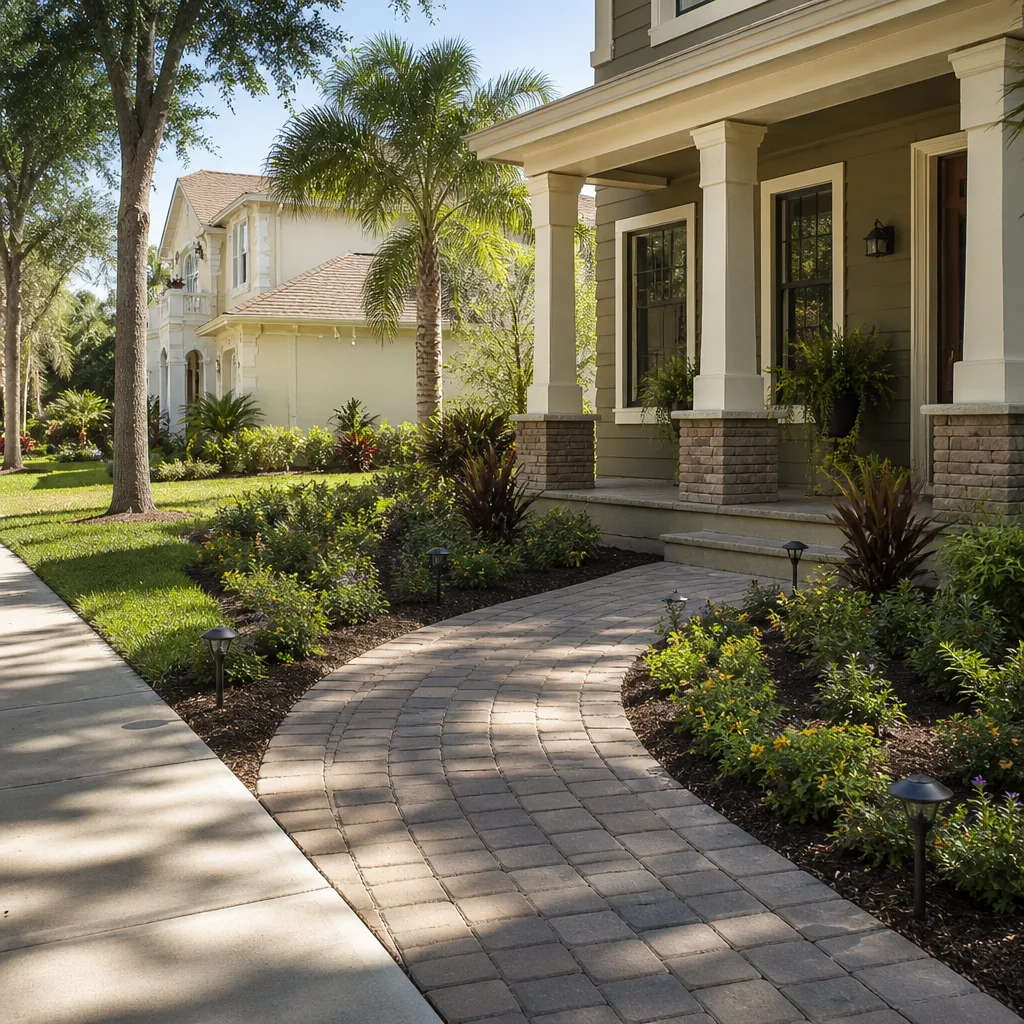
- Drainage and hardscape. Grading, patio edges, and drainage channels that let water pool against the wall. This is often the cheapest fix with the biggest long-term effect. A driveway & pavers scope correction can resolve a water path that no amount of stucco patching will fix.
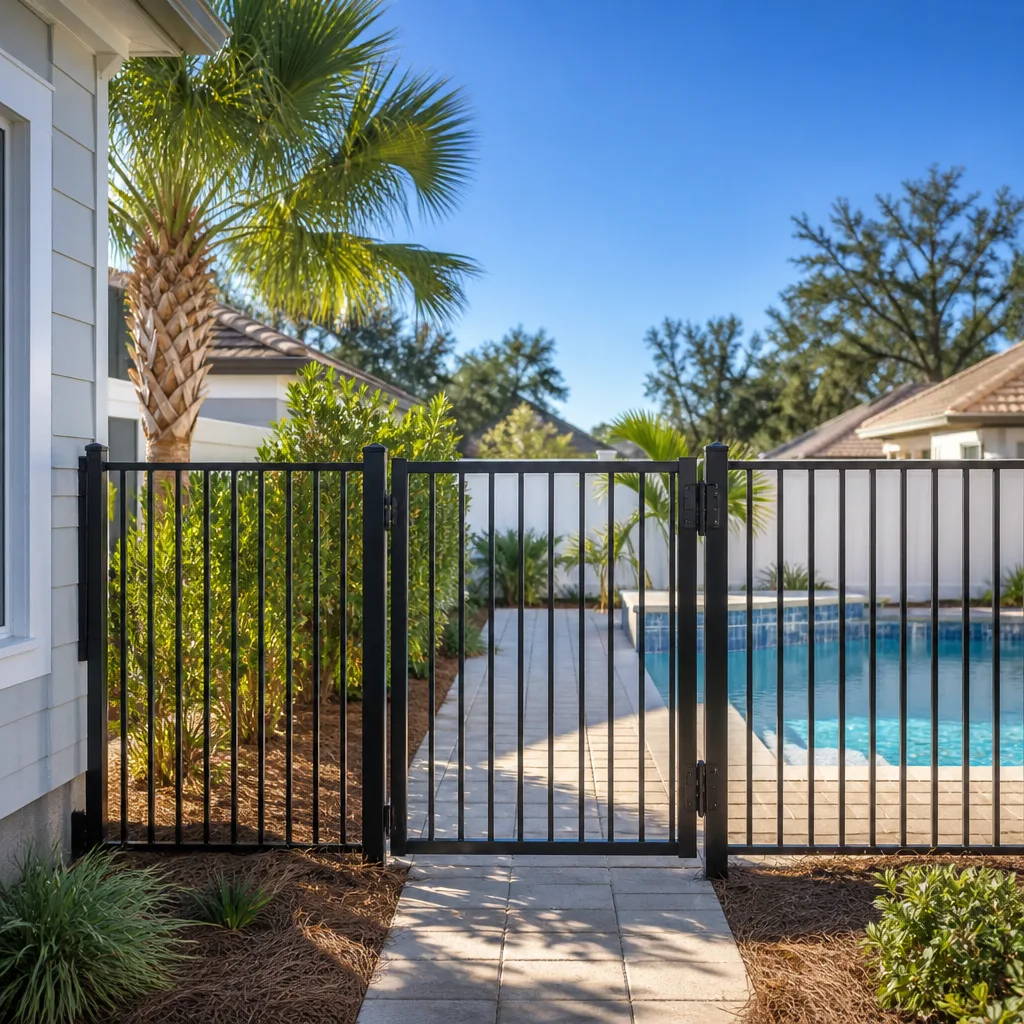
- Fencing. Wind-damaged fencing is a common post-monsoon job in Sunrise Manor and can be handled under the same relationship as the home repair. Ask about fence installation when a wind event takes out panels and posts.
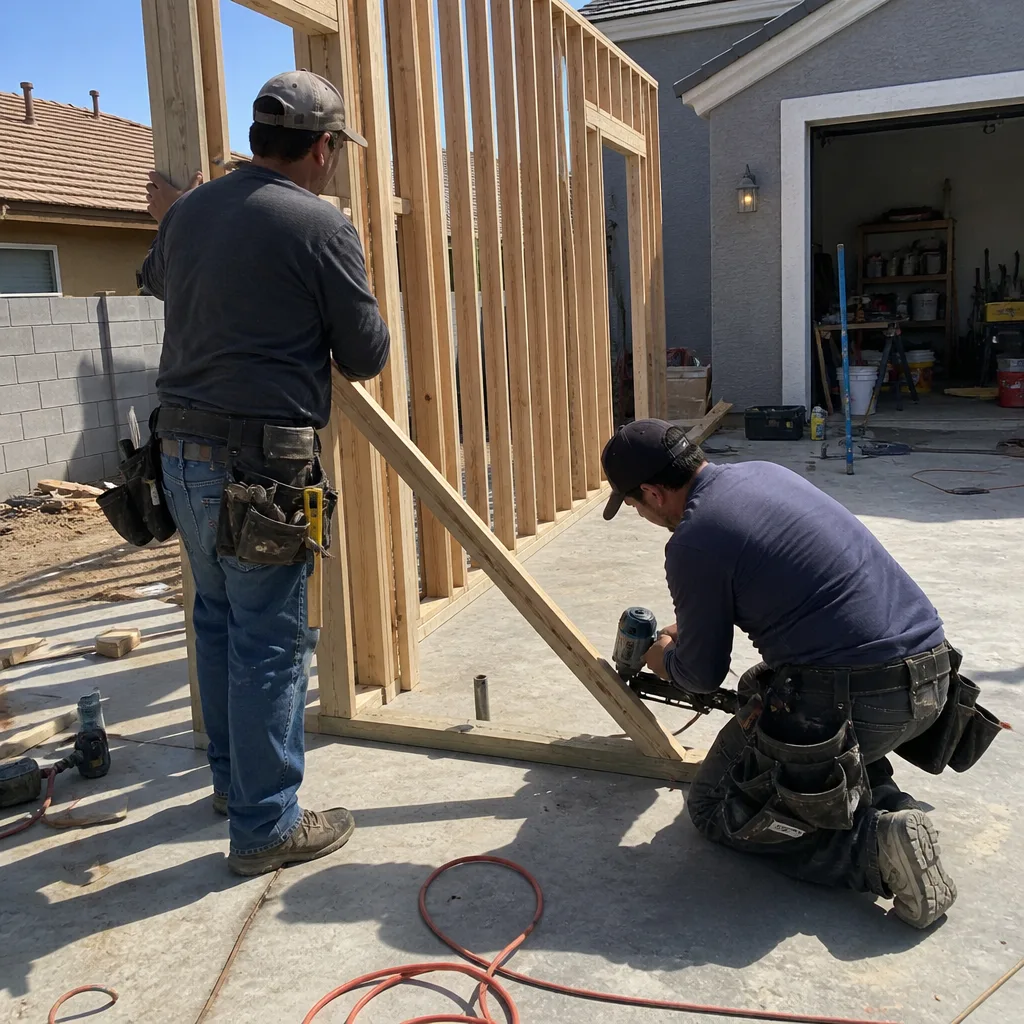
For homes that need more than a repair – a room added to accommodate a growing household, or a full scope of property upgrades after a season of damage – the same contractor relationship can carry it. Homeowners in Sunrise Manor often ask about additions and accessory dwelling units after a repair opens up the question of scope. We work with both traditional stick-built additions and modern prefab and modular solutions like Mighty Buildings, Plant Prefab, and Boxabl, and we can walk through the options in the same conversation as a repair estimate. Ask about home additions & ADU if that’s on your horizon.
Common Mistakes to Avoid
- Not knowing where the main water shutoff is. In a monsoon event, finding the shutoff in a dark hallway under running water costs minutes you don’t have. Find it on a dry afternoon and confirm it turns.
- Climbing onto a wet roof. Every year, homeowners fall during monsoon conditions trying to tarp a roof. Wet shingles are slick, and wind is unpredictable. Leave the roof to a professional.
- Waiting to photograph. Water damage evidence disappears fast. Once the bucket is placed and the fan is running, photos become harder to read. Photograph first, before you clean.
- Skipping the post-event inspection. Because Sunrise Manor dries out fast, the surface looks fine within a week. The sheathing, wall cavity, and stucco behind the surface don’t dry at the same rate. A professional moisture inspection at 2-4 weeks is the cheapest insurance against a bigger job later.
- Calling the first contractor who answers during a storm. A pre-vetted contact gets you a qualified crew and a real triage. A cold call during a monsoon event is a coin toss.
- Accepting a lump-sum estimate. Line items are the only way to know what you’re paying for and the only version an adjuster can process. Ask for the estimate in writing, line by line.
- Treating a repair as the finish line. If a monsoon breached a wall, the wall was already at risk. Patching the interior and calling it done sets you up for the same call next season. Ask what the source was and how it’s being closed permanently.
See the difference
 Before
 After
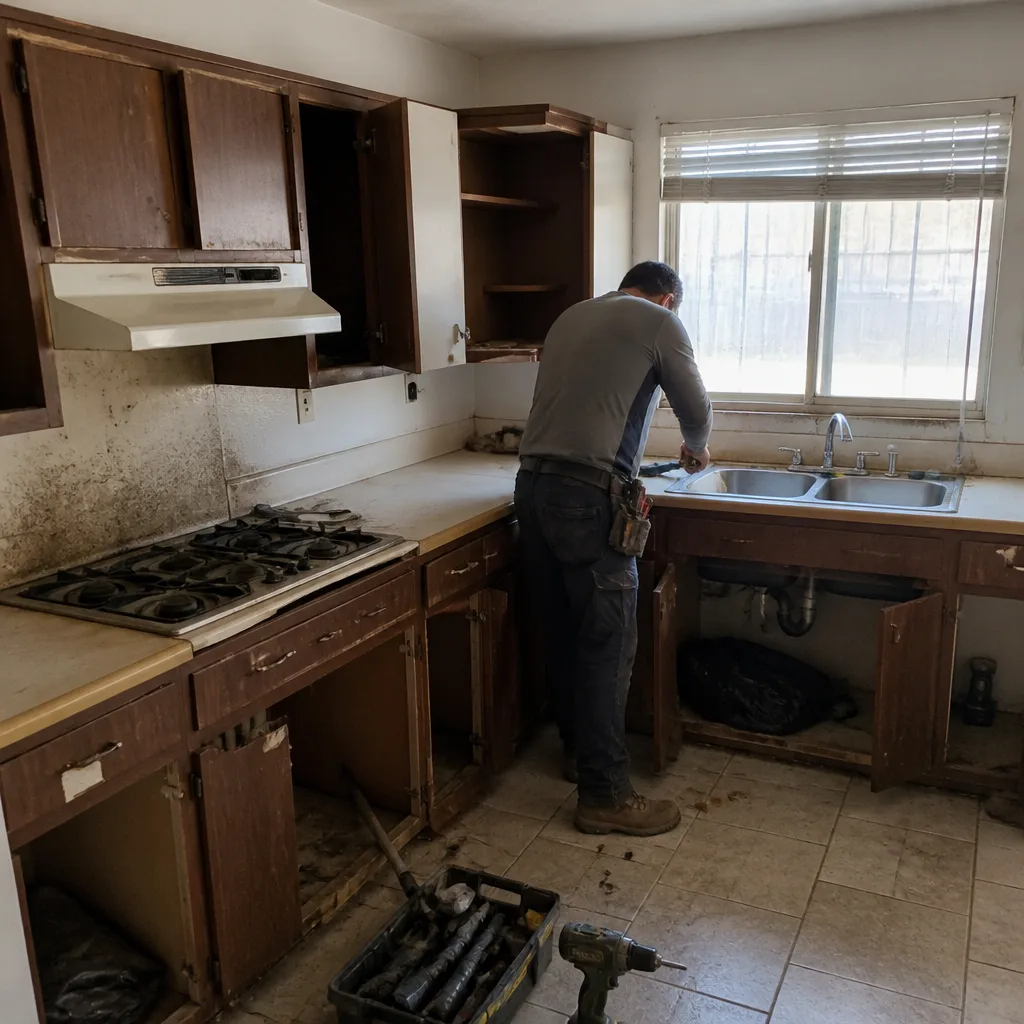 Before
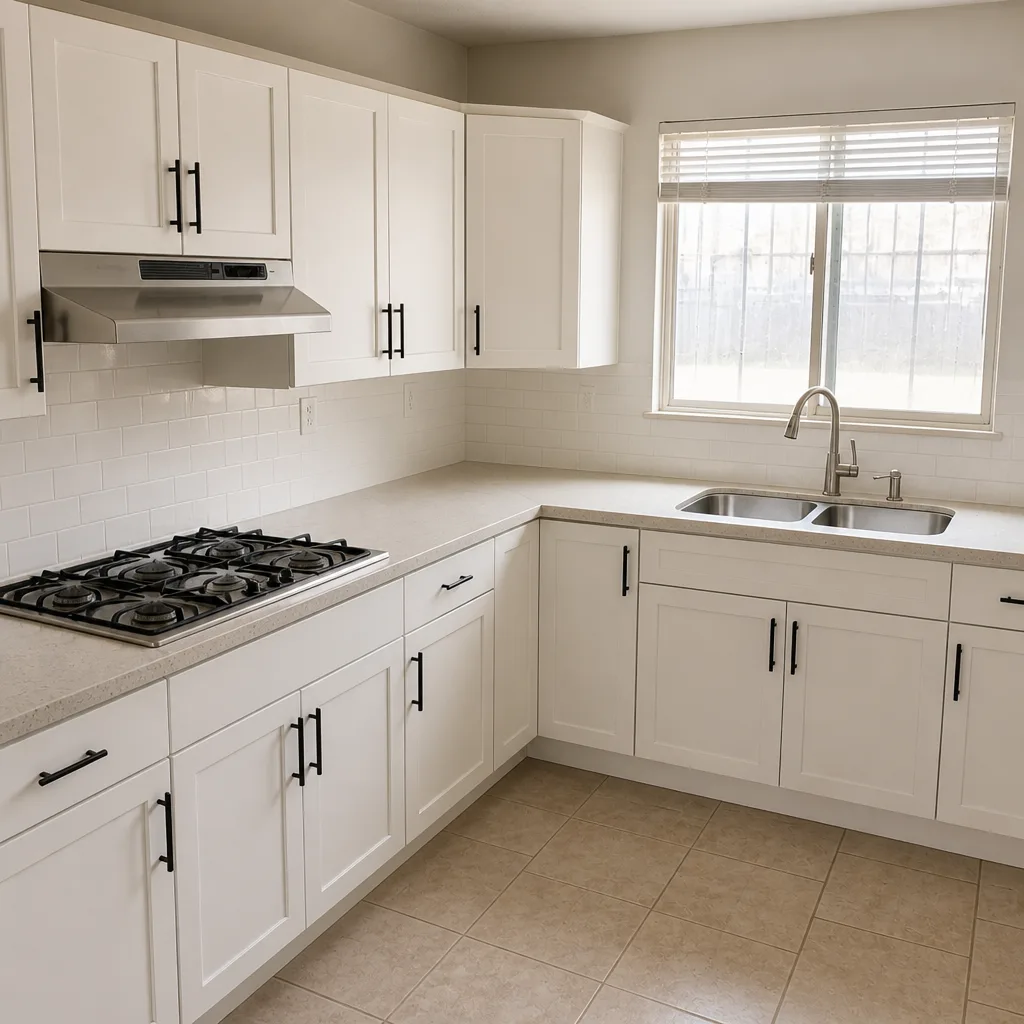 After
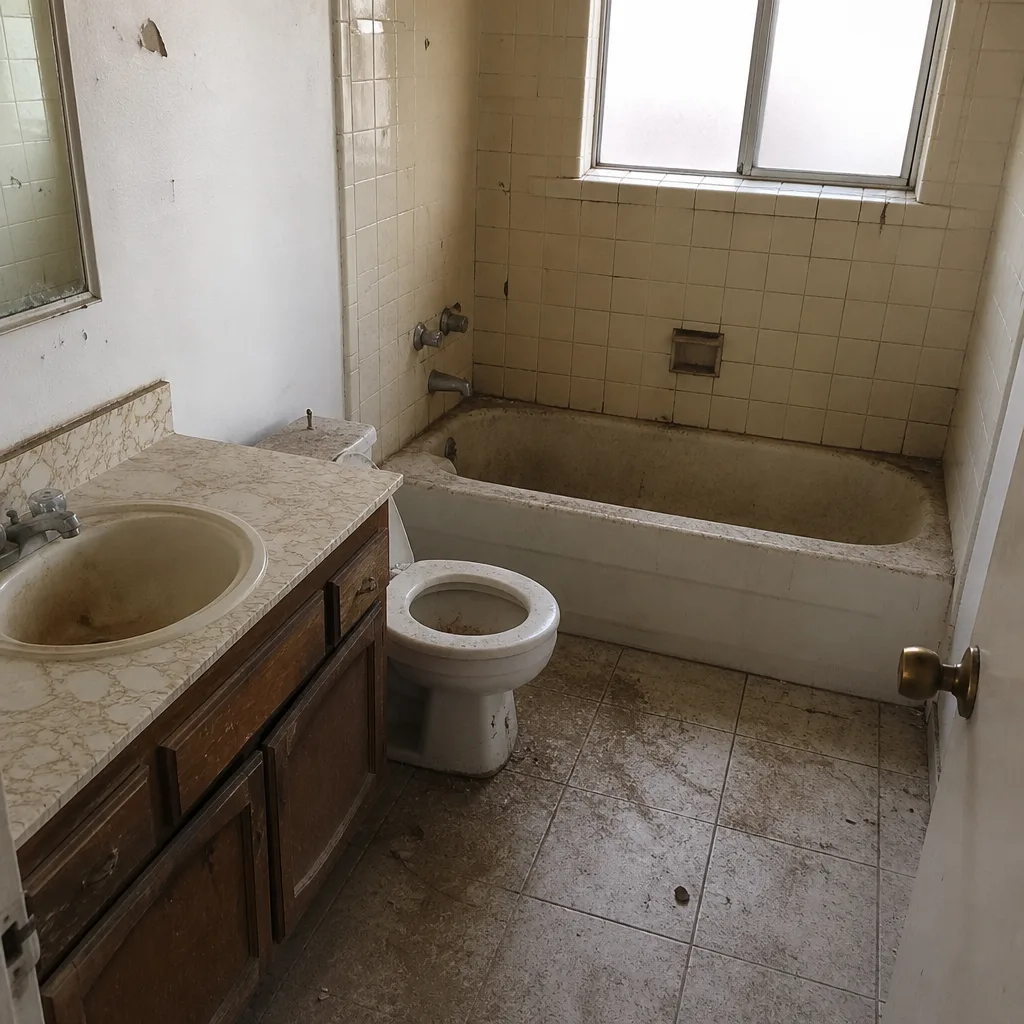 Before
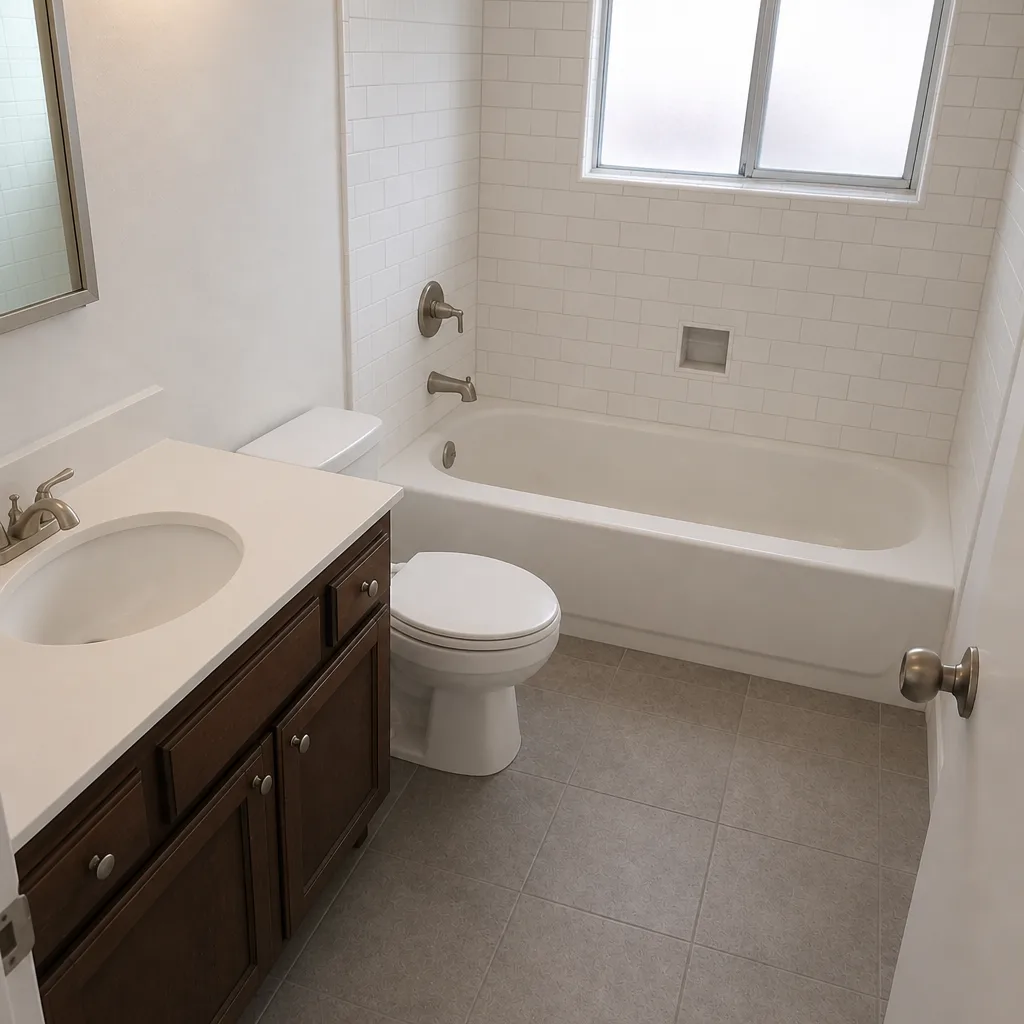 After
When to Call a Professional
Call a professional contractor when any of these is true:
- Water is actively entering the home through the roof, wall, or at grade
- A roof, ceiling, or wall shows bulging, sagging, or staining that wasn’t there before
- Wind damage has opened the envelope – missing shingles, lifted flashing, broken glass, cracked stucco
- The HVAC curb or penetration is leaking or the unit is off its seal
- Two weeks after an event, you see soft stucco, bubbling paint, musty smells, or new cracks
- An insurance claim is open and the repair scope needs a written, line-item estimate
- The repair is beyond a temporary mitigation – tarping, board-up, or documentation won’t close the source
For gas, electrical, or anything at height, stop at containment and call. Do not attempt the repair. Sunrise Manor Construction offers free estimates in Sunrise Manor – call (833) 516-4965. Estimates are written and line-item, the price is set by the estimate, and we’ll tell you what needs to happen next.
Frequently Asked Questions

Move contents out of the affected room and contain the water on the floor first, then photograph everything before you clean up. If water is near wiring or fixtures, turn off the circuit at the panel. Do not climb onto the roof. Call a contractor for any mitigation that involves the roof or the exterior envelope, and call Sunrise Manor Construction at (833) 516-4965. We answer 24/7. Fast dispatch from 7am to 7pm, Sunday through Friday. Estimates are free.
Costs vary by the type and extent of damage, and pricing is set per job by the written estimate, not by phone. A small roof penetration repair, a larger stucco and flashing repair, and a full interior envelope repair are three very different scopes. We do not quote over the phone because the scope has to be seen. Call (833) 516-4965 to schedule a free estimate – we’ll walk the damage, photograph it, explain the scope, and give you a line-item written estimate.
No – the written estimate sets the price, and change orders require your written approval. Areas sometimes open up once interior or wall material comes off, and if that happens we stop, document, and get your sign-off before the scope changes. Fixed pricing with no surprise change orders is how we work. Call (833) 516-4965 for a free estimate.
For most structural repairs, roofing replacement, window replacement, and envelope work that touches framing or the building shell, permits are typically required in Sunrise Manor and the surrounding jurisdiction. We pull permits on work that requires them and coordinate inspections. Ask during your estimate walk; we’ll tell you exactly what needs a permit for your specific repair. Call (833) 516-4965 to book the estimate.
Timeline depends on the scope, whether permits apply, and whether moisture testing shows the damage is deeper than the visible surface. A flashing and sealant repair is measured in a short visit; a wall cavity and stucco repair where moisture reached the sheathing is measured in weeks. We’ll give you a written scope with a realistic timeline in the estimate, not a guess on the phone. Call (833) 516-4965 – estimates are free.
Soft stucco, bubbling paint at sills and ceiling seams, musty smells in closets and behind baseboards, new or widening cracks at the slab edge, and any area where the surface dried but the wall or sheathing didn’t. Because Sunrise Manor dries fast, the surface looks fine long before the interior is dry – that’s why a professional moisture inspection at 2-4 weeks is worth the visit. Call (833) 516-4965 to schedule one.
The Bottom Line
Construction emergencies in Sunrise Manor follow the same few patterns every monsoon season: roof breaches, envelope saturation, grade-level intrusion, wind damage, and HVAC penetration leaks. The homeowners who minimize damage do the work before the emergency – they know their shutoffs, keep a small kit, have one pre-vetted contractor contact, photograph before they clean, and inspect at 2-6 weeks rather than assuming the surface tells the story. If you build that protocol this weekend, you’ll be the homeowner who gets a repair instead of a remediation. Sunrise Manor Construction covers the full envelope and interior under one relationship, with 50+ product brand partnerships and material tiers at every budget. Our technicians have up to 11 years of experience reading exactly this kind of damage. Call (833) 516-4965 for a free estimate. We answer 24/7. Fast dispatch from 7am to 7pm, Sunday through Friday.
Written by the team at Sunrise Manor Construction.