Last updated November 18, 2026



Free written scope consultation - allowances, timeline, and change-order rules on paper before a single trade is scheduled
Driveway & Pavers Maintenance Checklist for Sunrise Manor Homeowners
Most paver care guides are written for places where winter is the enemy. They warn you about freeze-thaw cycles, heaving ice, and spring thaw. Sunrise Manor doesn’t work that way. Here, the threats are UV that bleaches and hardens joint sand, caliche hardpan that shifts under wet soil, and monsoon water that moves fast and takes sand with it. If you’ve been following a national maintenance calendar, you’ve been tending to the wrong problems. This checklist is built around the desert failure modes we actually see in Sunrise Manor lots, and it walks through what to inspect, what to reseal, and when to bring in a professional.
Styles & brands we work with
- Kitchen remodeling
- Bathroom remodeling
- Home additions & ADU
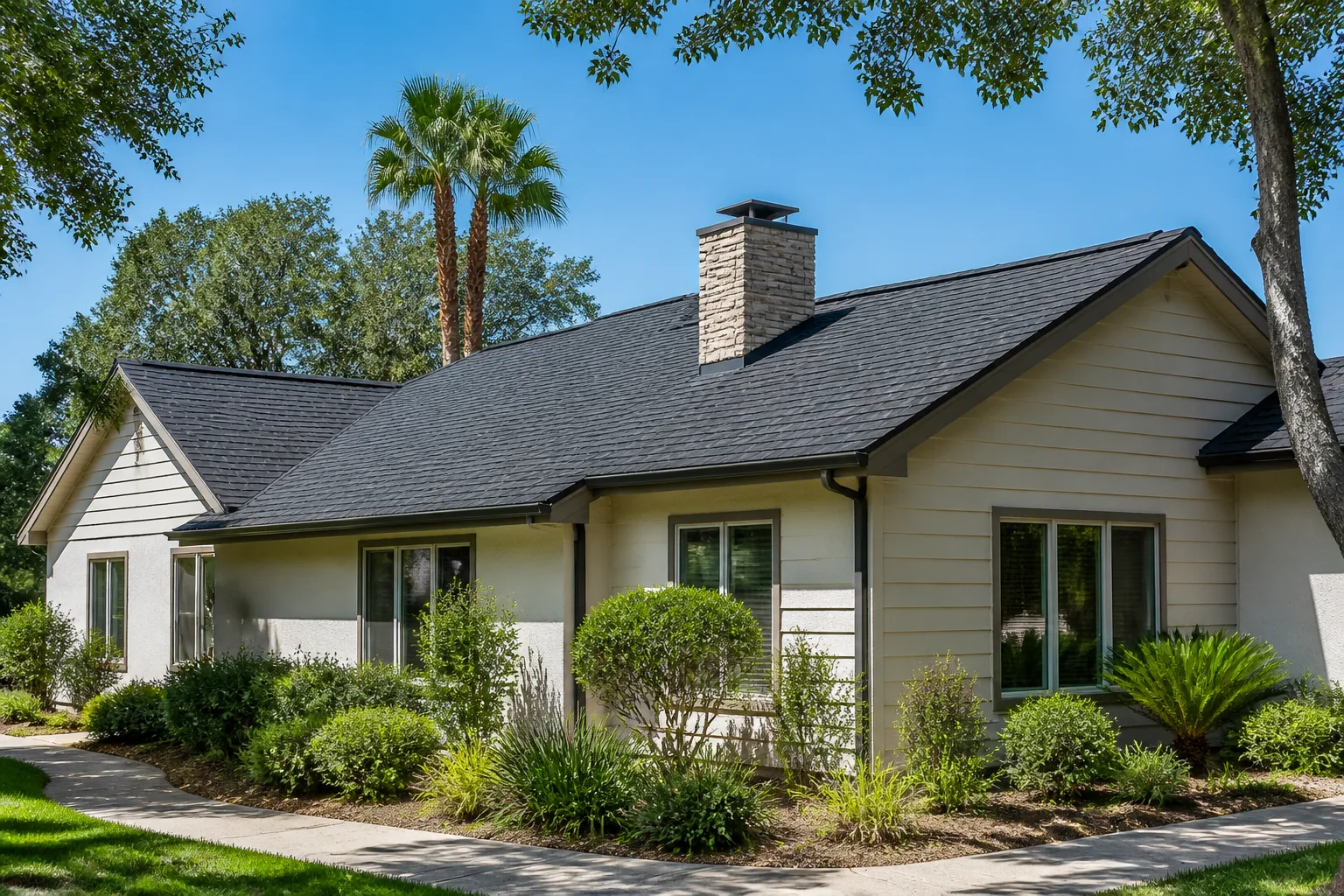
- Roofing
- Windows & doors
- Driveway & pavers
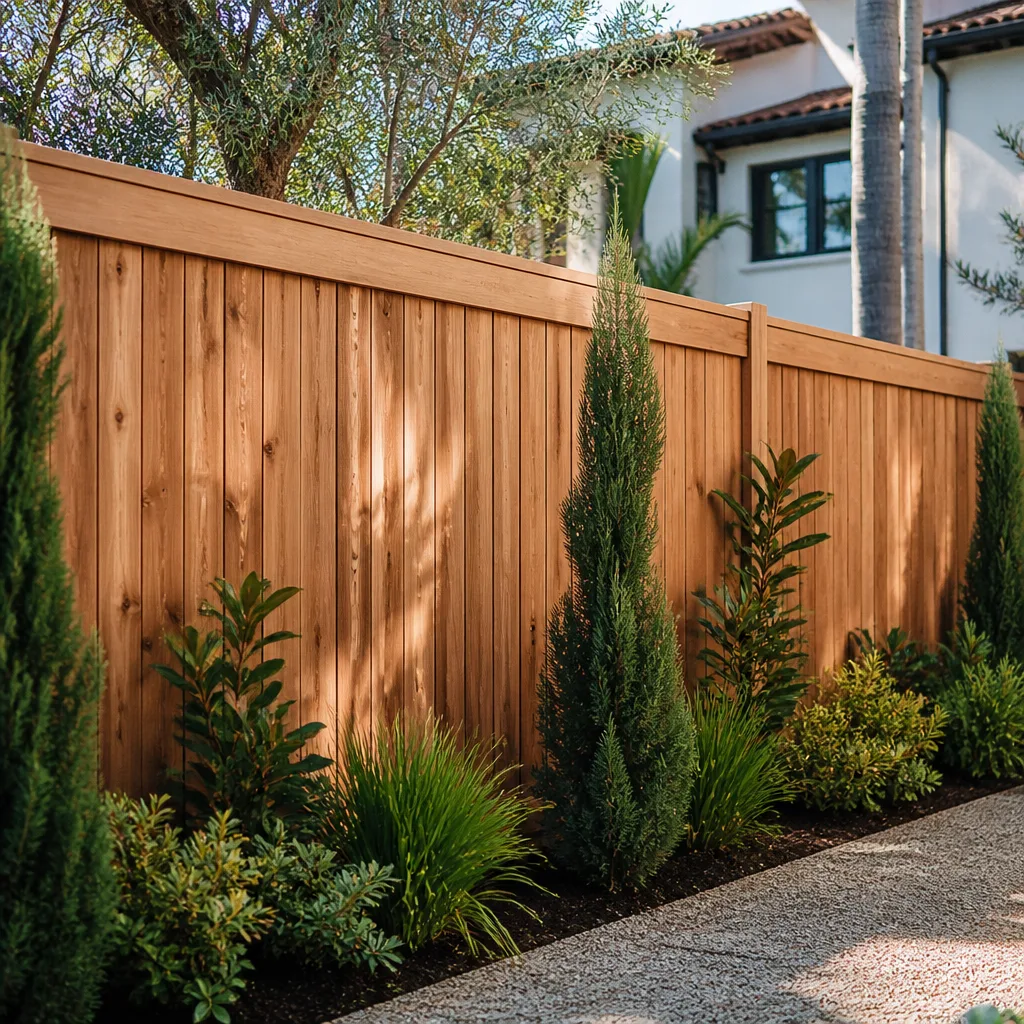
- Fence
Quick Answer
Paver and driveway maintenance in Sunrise Manor is best scheduled around UV exposure and caliche soil movement, not freeze-thaw. That means inspecting joints and edges every season, resealing exposed pavers roughly every 18 to 24 months instead of the 3 to 5 years national guides suggest, and watching for sub-base heave that looks like settling but isn’t. Reseal timing, joint sand condition, and drainage are the three things that determine how long a paver field lasts here.
Table of Contents
- Why Caliche Changes Everything About Paver Care in Sunrise Manor
- How to Inspect Your Pavers: Heave Versus Normal Settling
- The UV Resealing Schedule for Nevada’s Solar Index
- Joint Sand Erosion: Monsoon Drainage vs. Normal Wear
- Which Cleaners Ruin Desert Polymeric Sand
- Season-by-Season Maintenance Checklist
- Common Mistakes to Avoid
- When to Call a Professional
Why Caliche Changes Everything About Paver Care in Sunrise Manor
Caliche is a calcium carbonate hardpan layer common beneath Sunrise Manor lots. It forms when dissolved minerals in desert soil precipitate out and cement together over time, creating a dense, rock-like stratum a few feet down. On its own, that’s fine. The trouble starts when water gets into the soil above it. Because caliche is nearly impermeable, water pools on top of it rather than draining deep, and soil above the hardpan can swell or shift in ways that push up against a paver field from below.
That’s why a properly installed paver base in Sunrise Manor isn’t the same as a base in a temperate climate. The sub-base needs to account for how water behaves against caliche, how the soil above it moves when wet, and how that movement may express itself at the surface. If it wasn’t prepped with that in mind, a well-laid paver field can show problems within two seasons. Not because the pavers failed, and not because the homeowner neglected anything. Because the ground underneath shifted.
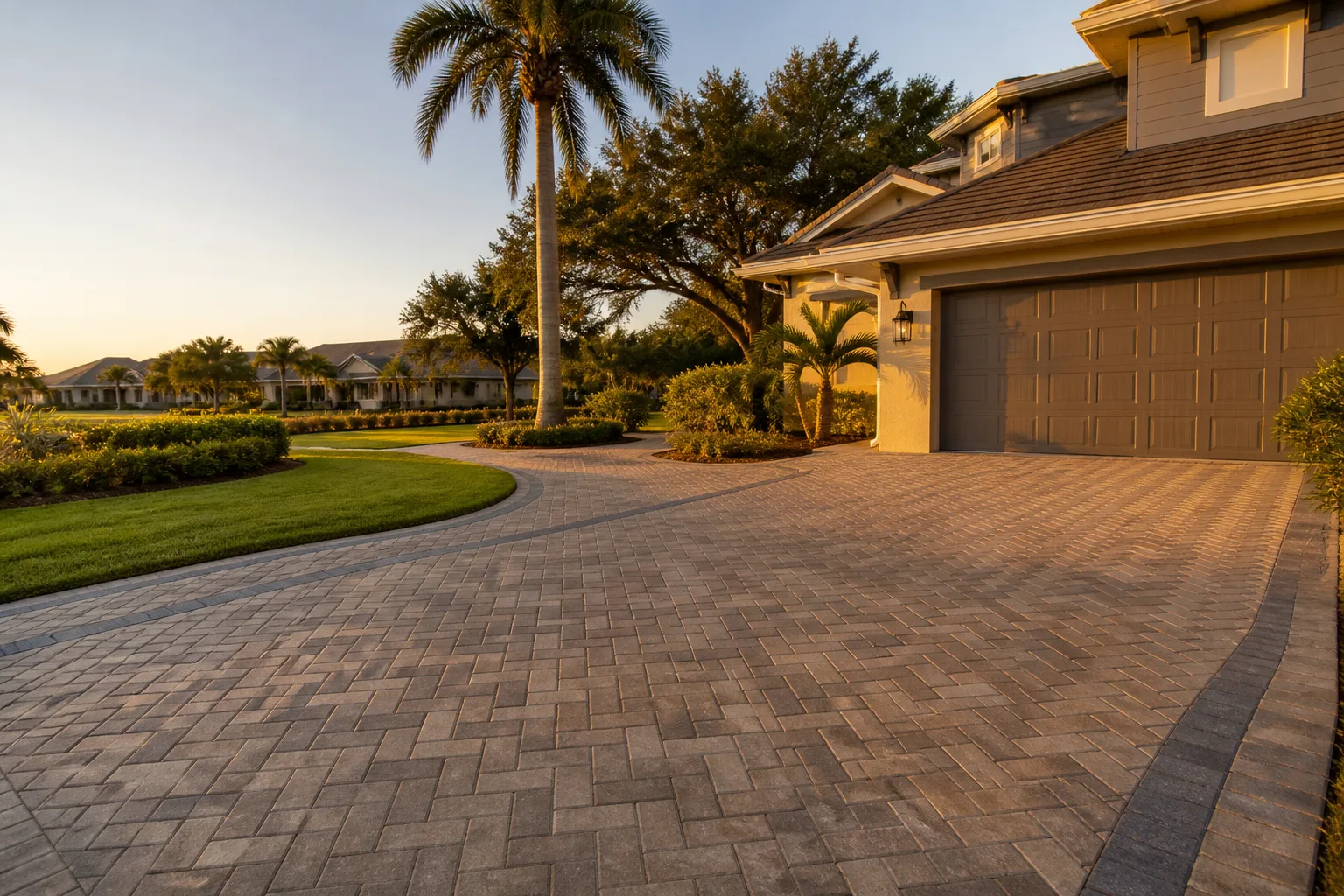
We work with hardscape brands like Belgard and Techo-Bloc, and where the sub-base preparation matters most is right here in Sunrise Manor. If you’ve watched part of a driveway lift or tent, it’s worth talking to someone who understands caliche before you re-sand and reseal and hope it settles back down.
What caliche damage looks like from above
- Localized lifting: one area rises while the surrounding field stays put.
- Tenting or bridging: pavers lift enough to leave a gap or ridge that runs in a line.
- Repeating the same pattern after repair: if the surface fixes itself but the lift comes back in place, the problem is below, not above.
- Rocky, uneven edges: the perimeter lifts unevenly because there’s nowhere for water to go.
How to Inspect Your Pavers: Heave Versus Normal Settling
Two things look similar from standing height and mean completely different things: normal settling and caliche-driven heave. Settling is mild, gradual, and tends to follow the way water runs. Heave is a reaction from below, it can appear quickly, and it usually shows as a local rise, a tent, or a ridge rather than a dip.
Here’s how to walk a paver field in Sunrise Manor in a way that separates the two.
- Walk the whole surface barefoot or in thin soles. Bare feet pick up ridges and hollows that shoes mute.
- Look down the line of the field from a low angle. Neighboring pavers should sit flush. A single paver poking up above its neighbors is a flag.
- Check the perimeter. Do the edges still sit flat against the restraining edge, or has anything pushed up against it?
- Hose a section lightly and watch where the water goes. Standing water against an edge is drainage. Standing water in the middle of the field after everything else dried is a shape the surface has taken, and shape changes matter.
- Note whether a raised spot comes back after re-sanding. If the same spot rises again within a season or two, that points to the sub-base.
Normal settling, in our experience, responds to re-sanding and a check on drainage. Heave doesn’t; the top layer can be re-set but will keep showing the same problem until the base is looked at. That distinction is the single most useful thing a Sunrise Manor homeowner can learn to spot, because fixing the surface of a heave problem wastes money and time.
The UV Resealing Schedule for Nevada’s Solar Index
National paver guides tell you to reseal every three to five years. That advice assumes the sun softens sometimes. Sunrise Manor sits in one of the strongest solar environments in the country, and the UV exposure here does a faster job on both the paver finish and the joint sand than the same sun in most other regions. Those years of exposure compress. For exposed pavers in full sun in Sunrise Manor, we generally recommend resealing on an 18 to 24 month cycle.
What does UV actually do? It fades the color in thinner pavers, it hardens the sealer faster than the sealer would harden in cooler climates, and it dries joint sand more aggressively, which makes that sand easier for wind and runoff to lift. When a sealer cures too hard, it can also crack, which lets water in and makes things worse rather than better.
How to know it’s time to reseal
- Water test: pour a cup of water on the surface. If it beads and stays, the sealer is still working. If it soaks in fast, it’s done.
- Color shift: if the pavers look duller or chalkier than they did a year ago, the finish is weathered.
- Sand tracking: sand in the seams is loosening, not just on the surface.
- Time: eighteen months is a sensible checkpoint for a full-sun field, even if the water test still beads.
Resealing is a job you can price out through a free estimate from Sunrise Manor Construction. It’s one of the small jobs that pays the most by keeping the surface tight and the sand where it should be.
Joint Sand Erosion: Monsoon Drainage vs. Normal Wear
Joint sand holds the whole system together. Without it, pavers shift, water goes into the seams, and the base takes on moisture. In Sunrise Manor, sand loss shows up in two distinct ways, and it’s worth telling them apart.
Normal wear is gradual and follows traffic: tire paths, walkway centers, the line where people walk most. It’s the sand loosening slowly in the places that get stepped or driven on most, and it’s usually mild and predictable.
Monsoon drainage erosion looks different. Monsoon storms dump a lot of water in a short time, and that water moves fast. If the grading around your driveway sends water across the pavers instead of around them, it will strip the sand from the joints in a noticeable line, usually at the downhill edge or next to a slope. You may see a channel of loosened sand, or joint gaps deeper on one side than the other. After a decisive monsoon storm, it’s worth walking the field and looking for exactly that.
What to do when sand is missing
- Identify the source. Gradual loss is normal wear; a line or a channel after a storm points to water coming across the surface.
- Check drainage first. Before re-sanding, make sure water is going where it should. Otherwise, you’ll be re-sanding again after the next storm.
- Re-sand with the right material. Polymeric sand, not plain sand, in desert-climate installations. It locks in and resists washout better.
- Re-seal only after the sand has settled. Sealing over fresh sand traps moisture under the sealer and stops the sand from setting.
If you’ve re-sanded twice in one season and the sand keeps disappearing from the same place, that’s a drainage conversation. It’s worth getting it looked at before the wear becomes a repair. Drainage across the driveway is also something to check at any driveway & pavers project, new or refreshed.
Which Cleaners Ruin Desert Polymeric Sand
Polymeric sand in a Sunrise Manor paver field is doing more work than sand elsewhere. The sun is harder on it, the water is harder to manage, and the temperature swings are wider. Some cleaners that are fine for plain concrete or for pavers in cooler climates will eat away at polymeric joints here, and once the binder breaks down, the sand washes out with the next storm or blows away with the next big wind.
Cleaners to keep off polymeric sand in Sunrise Manor:
- High-pressure washing on the joints. A narrow jet aimed at the seams will strip sand. A wider fan on the paver faces is a different story, but the seams need to be treated carefully.
- Strong acid-based cleaners meant for efflorescence or rust on plain pavers. They can attack the polymer binder in joint sand.
- Solvent-based degreasers left to sit. A quick wipe is one thing, puddling it in the joints is another.
- Bleach-heavy mixes strong enough to break down the joint over time. A light mix is fine for a spot, a concentrated batch is not.
- Any drain cleaner poured into a paver joint or a weed killer with a residual soil sterilant that sits against the surface.
Use a mild pH-neutral cleaner for general grime, spot-treat stains with a dedicated paver product, and always rinse thoroughly. For oils, lift what you can first with absorbent material before you put anything wet on it. If you’ve got a stain you can’t shift, that’s not a problem to tackle with a stronger chemical; that’s a request to the pros, and it’s the kind of thing we’d be happy to look at during a free walk-through.
Season-by-Season Maintenance Checklist
Sunrise Manor doesn’t have four temperate seasons exactly, but the calendar still divides the year usefully. Each section of the year has one main job, and doing that job on time prevents the next problem.
Spring: monsoon prep
- Walk the field before the first storm season. Look for lifting pavers, soft spots, and any sign of a tent or ridge.
- Test drainage on purpose. Set a sprinkler or hose on a section and watch where water goes. If it runs across the pavers instead of around them, plan a fix.
- Top off joint sand where it’s low so the surface is tight before the first heavy rain.
- Check perimeter edge restraints. Anything loose at the edge is a place water will get in.
Summer: heat expansion check
- Look for raised pavers on the hottest afternoons. Pavers expand with heat, and a field with tight joints and no sand will tent at the seams.
- Check the joints. If seams have gone tight on the sun side, note it. That’s a sign the field is doing more work than it should.
- Spot-clean stains from sunscreen and pool water before they cure in the sun.
- Do the reseal water test. If it’s been eighteen months or more, reseal before the next winter’s cool nights tighten the joints again.
Fall: crack and edge prep
- Fill and re-sand joint gaps. Fall is the easiest time to re-sand because temperatures are moderate.
- Dress the edges. Make sure the perimeter is clean and the edge restraint is seated.
- Get the storm drains and swales around the property clear. Clogged drains are the number one cause of erosion on the paver field.
- Check for cracks in adjacent concrete aprons or driveway joints that could let water underground.
Winter: the cold-season check
Sunrise Manor winters are mild, but not nothing. Winter mornings drop close to or below freezing, and that does two things to a paver field. It firms up soil in a way that can reveal a sub-base problem that’s been hiding, and it tightens joints, which opens hairline gaps at the edges. Winter isn’t the heavy lifting season here, but a simple walk after the first cold snap will often show you what the summer heat was too forgiving to reveal. It’s also the perfect time to plan a re-sand or reseal for the fall before the next dry season starts.
Worth mentioning in the same context: the rest of your exterior shell takes the same desert sun and schedule. The fence installation and cladding on the property are usually in the best condition when they were specified for the local environment, and the same is true of your paver field.
Common Mistakes to Avoid
- Following a national reseal calendar. National guides recommend resealing every three to five years, but Sunrise Manor UV makes that too long. Eighteen to twenty-four months is closer to right for full-sun pavers.
- Re-sanding without fixing drainage. If water still runs across the surface after a re-sand, the next monsoon storm strips it back out. Fix the flow first.
- Power-washing the joints. The pavers can take a fan spray, the seams cannot. Aiming a jet into the joints is the fastest way to lose sand.
- Assuming every lift is settling. Settling responds to re-sanding. Heave doesn’t. If the same spot comes back, that’s a sub-base question, and it needs a sub-base answer.
- Ignoring the perimeter. Water gets in at the edges first. Loose edge restraints and washed-out perimeter sand are often the start of bigger problems.
- Sealing over wet or freshly sanded joints. Sealer traps moisture. If you seal before the joint has dried out or the sand has locked, you’ll trap water under the surface and encourage damage.
- Using harsh cleaners for a small stain. A strong acid or a concentrated solvent used to lift a small oil stain can cost you the joint binder in that area for good.
When to Call a Professional
Plenty of paver maintenance is homeowner work: walking the field, re-sanding, checking edges, resealing on the right cycle. The moment that changes is when a problem is under the surface. Call a professional when a lift keeps coming back in the same place after a repair; when you can feel hollows in the field that don’t tighten up after re-sanding; when water runs across the pavers after a storm instead of around them; when a paver field is tenting or rocking; or when you don’t know if the sub-base was prepped for caliche in the first place. Those are jobs where the surface looks fine after a fix and fails again the next season.
Sunrise Manor Construction offers free estimates in Sunrise Manor. Call (833) 516-4965 and we’ll look at the field with you and tell you honestly whether it’s a maintenance job or a sub-base conversation. Estimates are free. We answer 24/7. Fast dispatch from 7am to 7pm, Sunday through Friday.
Frequently Asked Questions
Every 18 to 24 months for exposed, full-sun pavers. Strong UV exposure in Sunrise Manor compresses the resealing window well below the three to five years most national guides recommend. Call (833) 516-4965 for an exact quote on resealing – estimates are free.
Caliche is a cemented calcium carbonate hardpan layer common under Sunrise Manor lots that behaves unpredictably when wet. Because it’s nearly impermeable, water sitting above it can swell the soil and heave a paver field from below, which means a sub-base that wasn’t prepped for caliche can fail in two seasons despite a well-installed surface.
Polymeric sand designed for high heat and strong UV, not plain sand. Plain sand washes out easily in monsoon runoff and blows away in dry wind, and once it’s gone the joints open up and the pavers start to move. Call (833) 516-4965 and we can walk your field and tell you what depth and material it needs.
Yes. Acid-based cleaners, strong solvent degreasers left to sit, bleach-heavy mixes, and high-pressure washing aimed directly at the joints can all degrade polymeric sand. Use a pH-neutral cleaner for general grime and a dedicated paver product for stains, and call us before trying anything aggressive – estimates are free.
Settling is gradual and mild and responds to re-sanding; heave is a lift from below that often comes back in the same place after the surface is repaired. If a raised area in your field returns after you re-sand it, the problem is under the pavers and likely relates to the sub-base or caliche movement rather than normal settling.
Yes, and it’s often the most efficient way to handle it. Sunrise Manor Construction is one contractor from the driveway to the roofline, and that includes home additions & ADU projects where the driveway, hardscape, and exterior envelope all get reviewed together. Call (833) 516-4965 to talk through a combined scope – estimates are free.
The Bottom Line
Paver and driveway care in Sunrise Manor is not a copy-paste of national advice. Caliche under the lot, UV that flattens the standard resealing window to 18 to 24 months, and monsoon drainage that strips joint sand on a schedule of its own all change the checklist. Inspect the field every season, know the difference between settling and heave, re-sand with polymeric sand and only after the drainage is right, and reseal on the local timeline. Do those four things and the paver field does what it was designed to do: hold up in a desert. Sunrise Manor Construction is one contractor from the driveway to the roofline, with brand depth across Sunrise Manor Construction‘s full scope and building codes and inspections on any job that needs them. Call (833) 516-4965 for a free estimate. We answer 24/7. Fast dispatch from 7am to 7pm, Sunday through Friday.
Written by the team at Sunrise Manor Construction.
See the difference
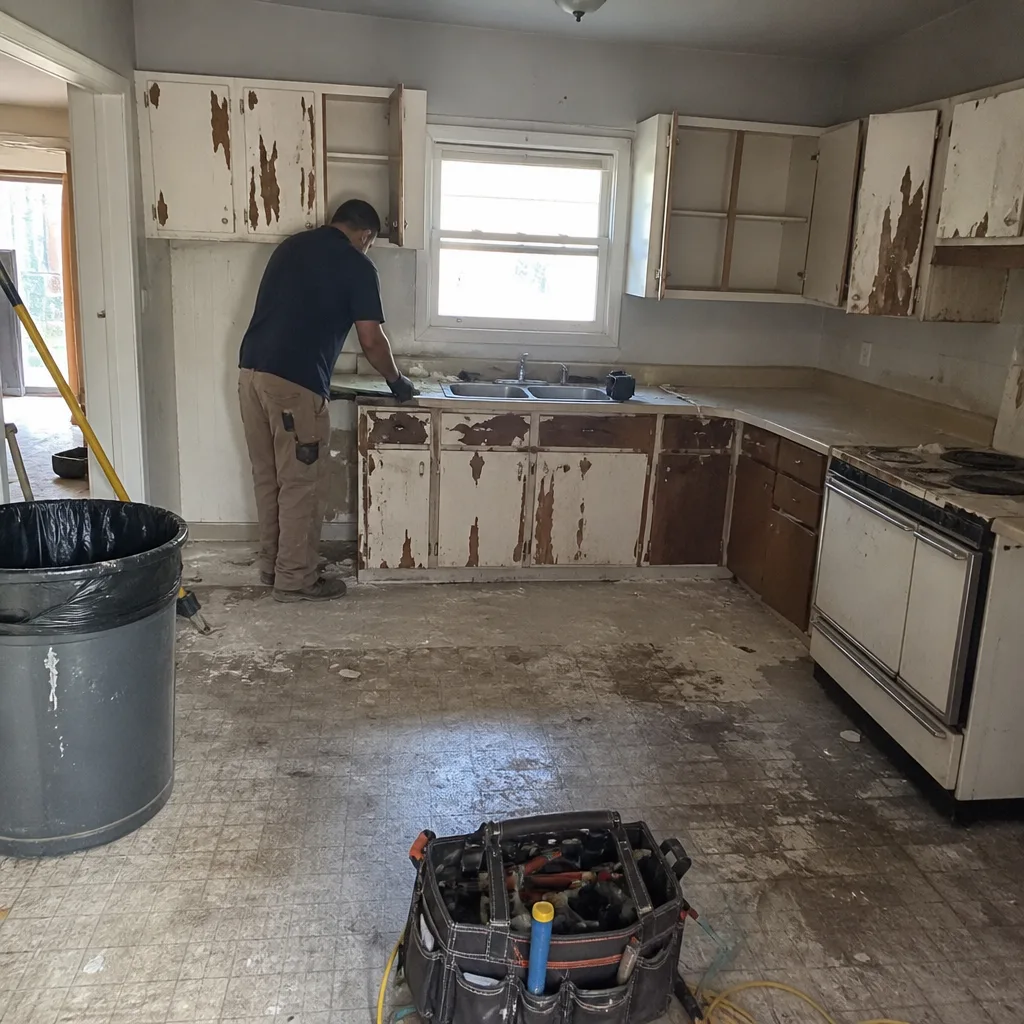 Before
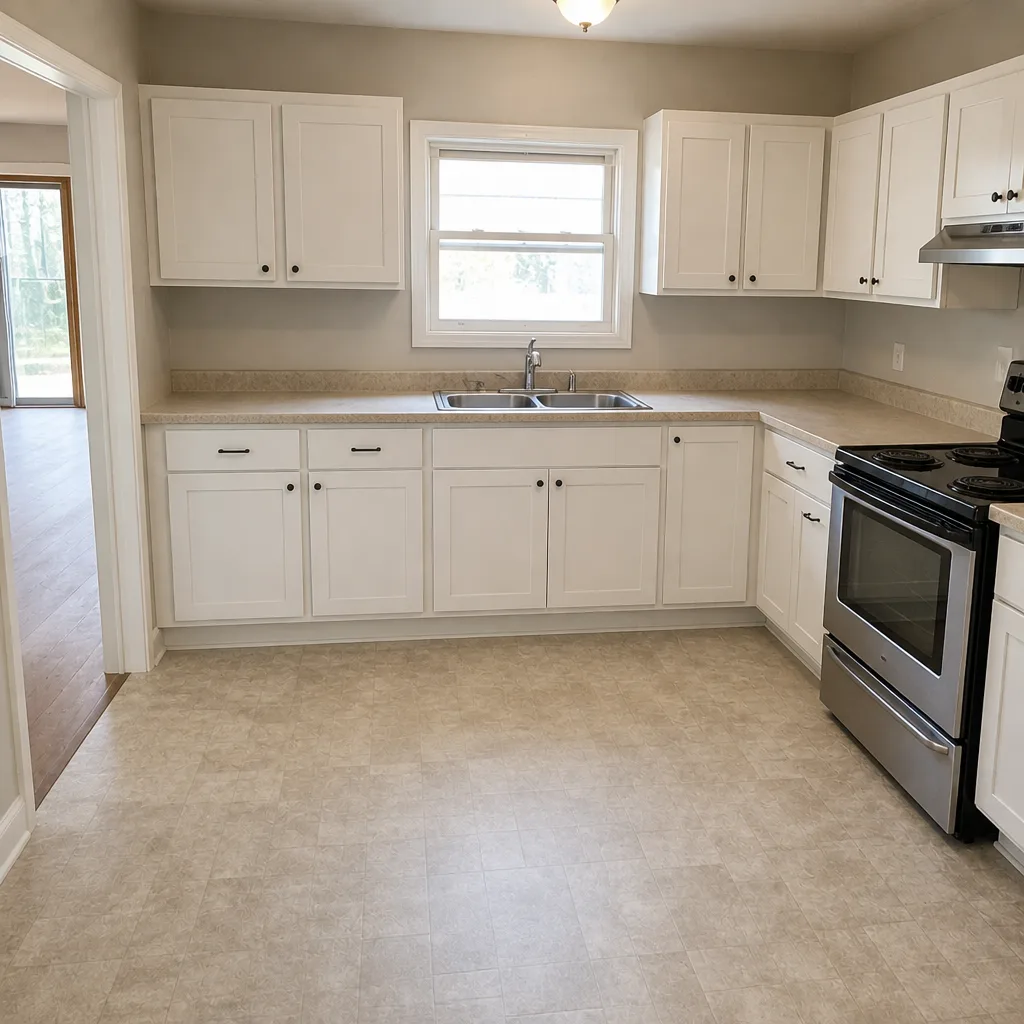 After
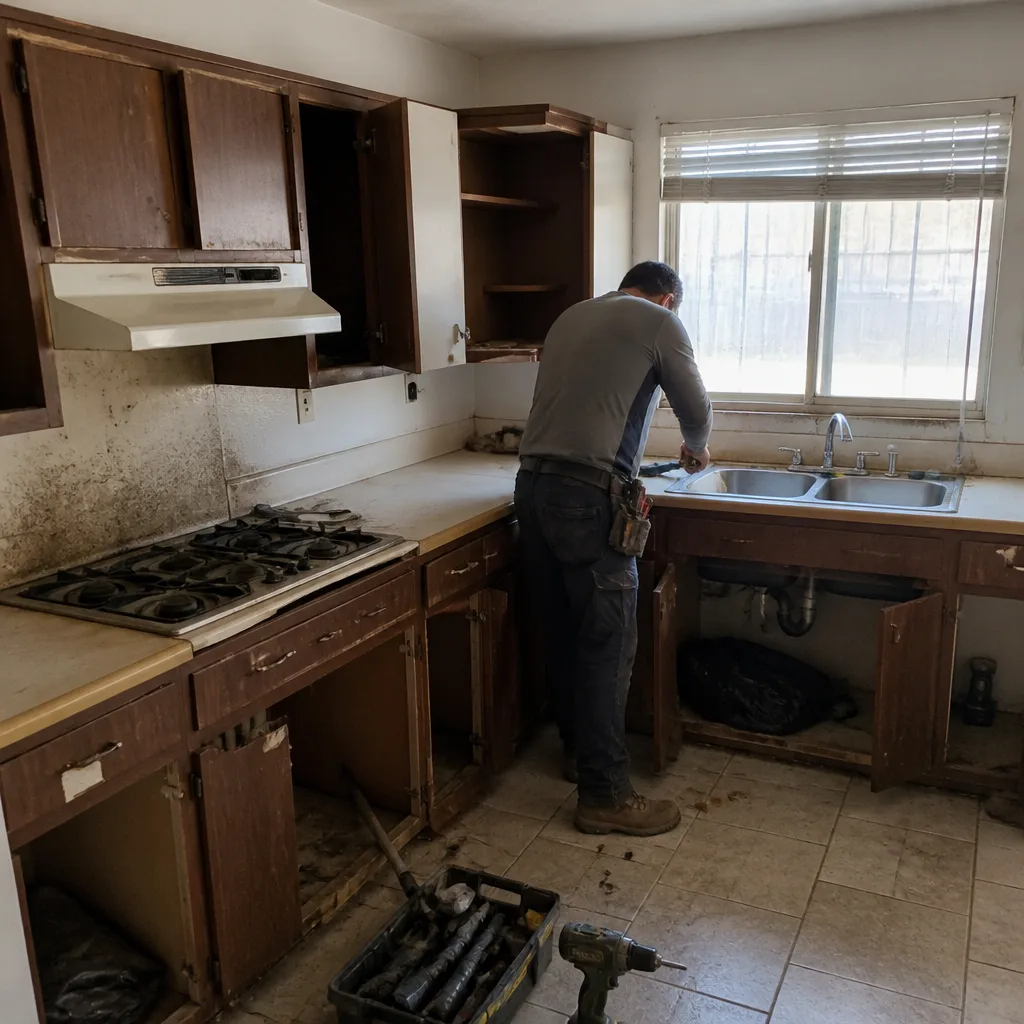 Before
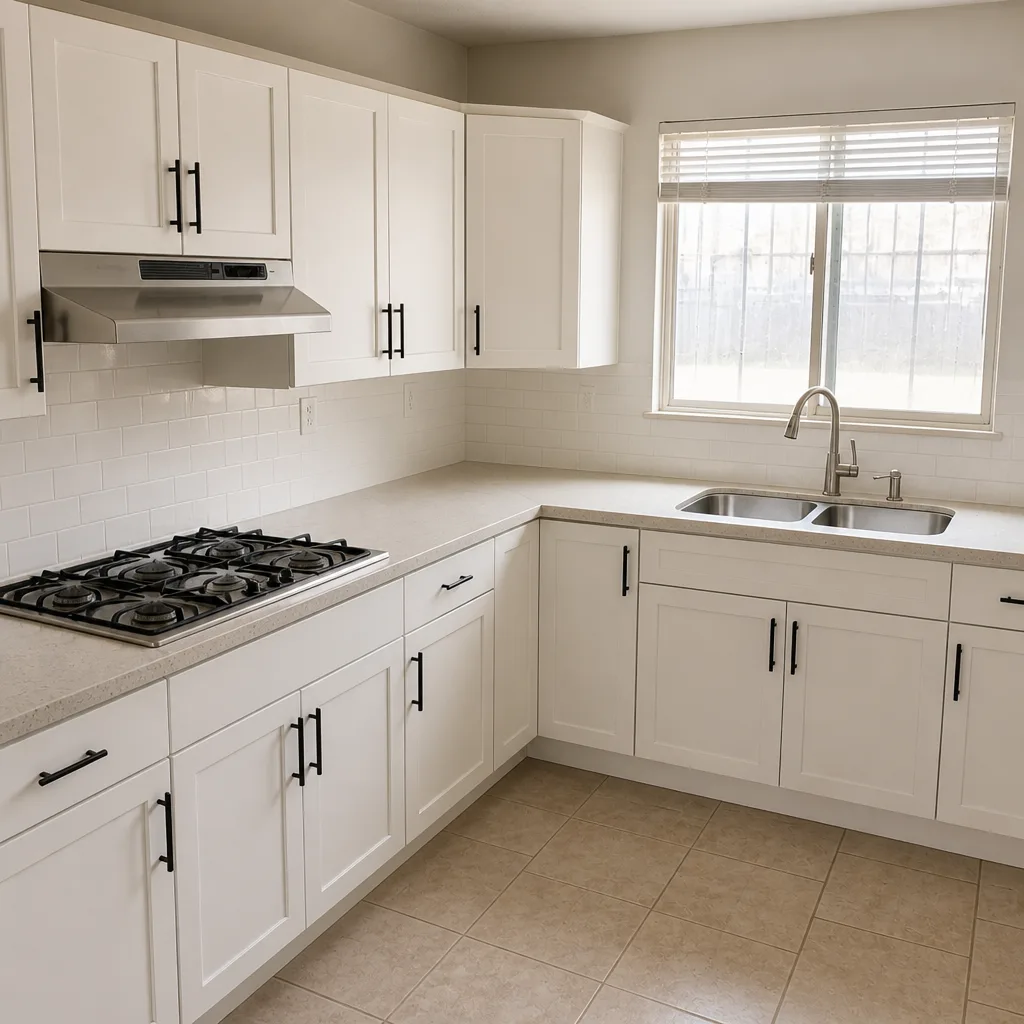 After
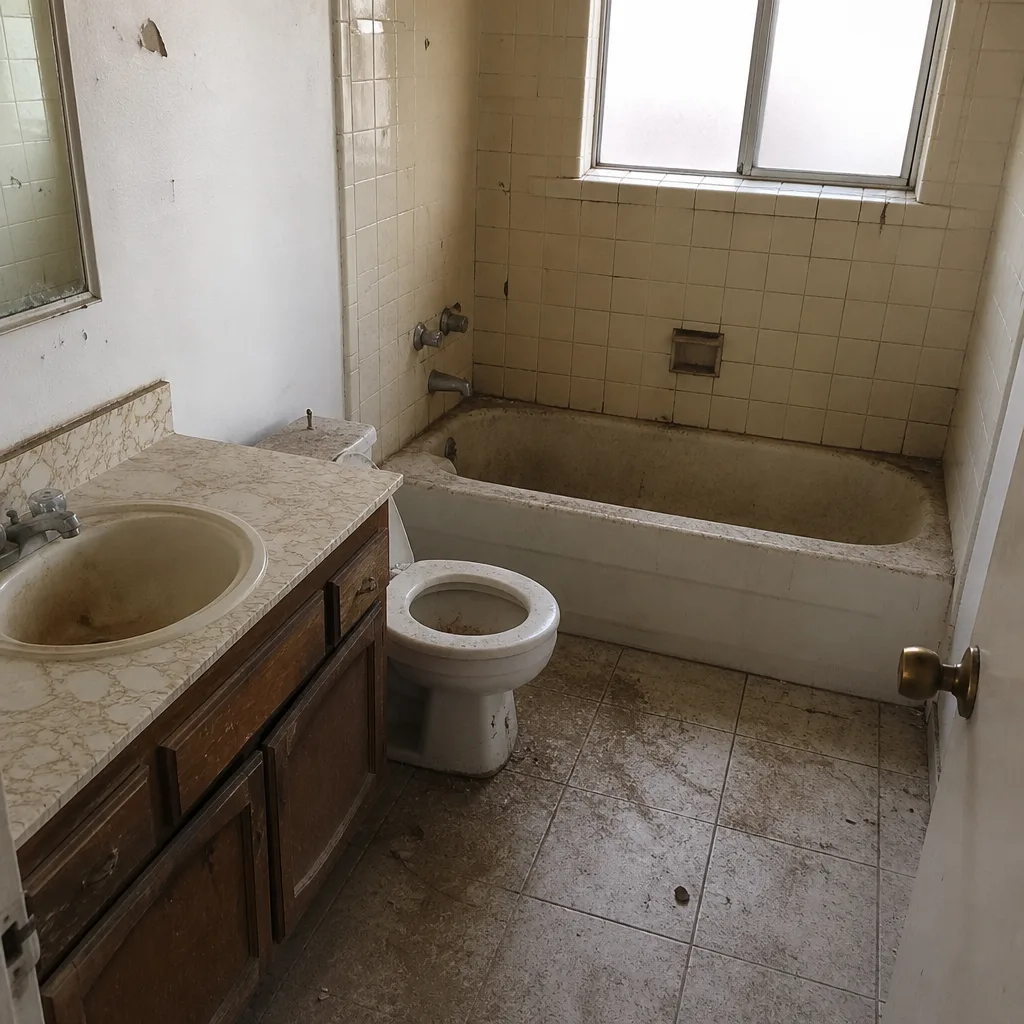 Before
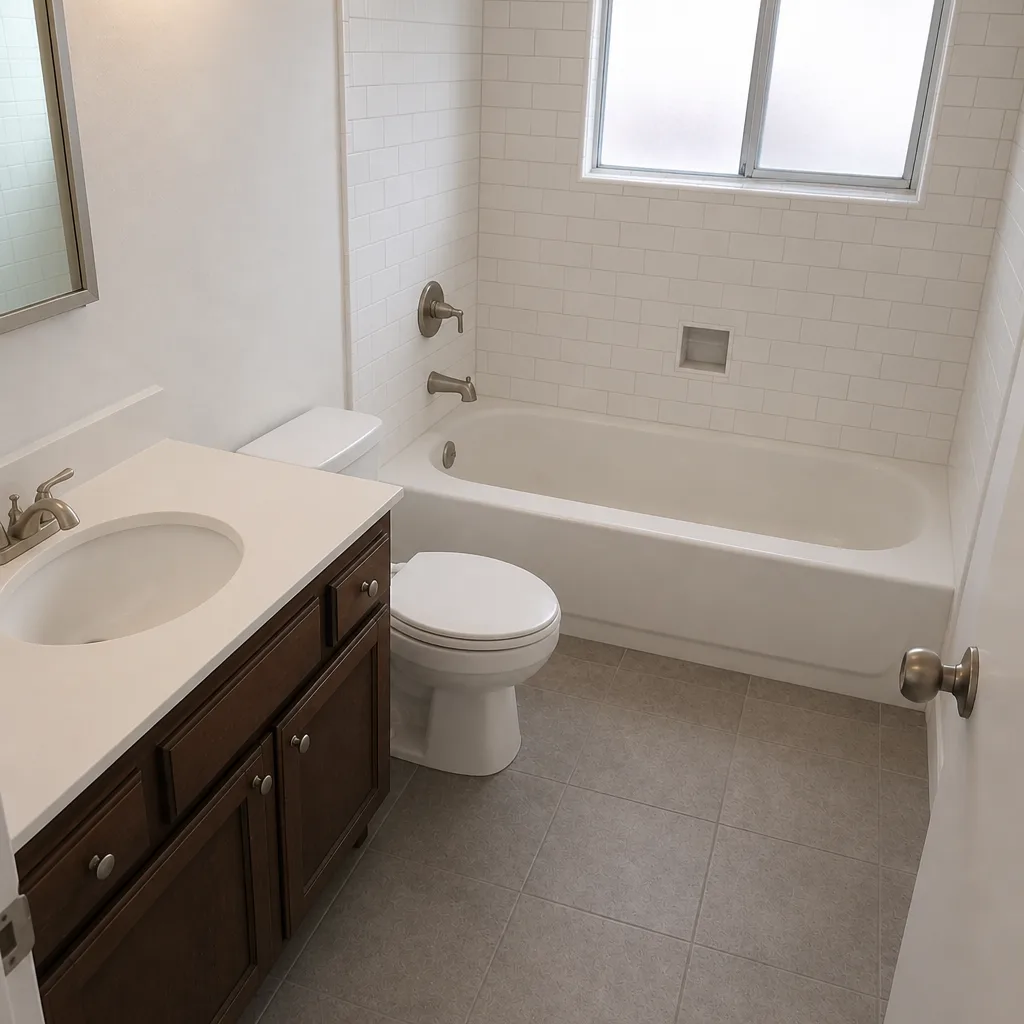 After